Capacity Building Series: Building Collaborative Relationships

Building Collaborative Relationships: Relationship building with peers and other nonprofit organizations

We’re back with our third blog post in this Capacity Building Series! Let’s explore the practice of building collaborative relationships with peers and nonprofit organizations. So, what is collaboration? According to the Cambridge Dictionary, collaboration is the act of working together with other people or organizations to create or achieve something. In short, to collaborate is to create, produce, or achieve together.

You might be asking yourself, why do nonprofits collaborate anyway? How might working with another nonprofit benefit my organization? You might wish to collaborate for three main reasons:

  • to boost organizational efficiency, so your organization can accomplish its work more quickly and with fewer resources. For example,­­­­­­­­­­­­­ nonprofits can work together to create a community resources directory/website. This guide of shared resources helps organizations more efficiently navigate Social Determinants of Health needs for their clients.
  • to increase organizational effectiveness, so your organization can advance its stated mission more successfully. For example, organizations working together to bring new resources to another organization to better meet their mission. This could look like collaborating with organizations that have community counselors who can work with food banks and then food banks bringing services to community mental and behavioral health clinics to care more holistically for clients.
  • to drive broader social and systems change, so when executed successfully, collaborating organizations can collectively strategize to identify solutions that address a social issue in efforts to change systems. For example, a mental health provider, law enforcement, and jail system may collaborate to meet the needs of a person’s crisis mental health needs, diverting them from jails and hospital emergency rooms who are commonly under-resourced to effectively address such needs.

How might nonprofits collaborate with each other? Each partnership between nonprofits will look different depending on the end goal. Nonprofits can work together through cooperation, coordination, and/or collaboration. Let’s look at the 3C Model below that demonstrates the distinguishment between these levels.

Subheading

Source: https://philanthropynewsdigest.org/features/the-sustainable-nonprofit/why-and-how-do-nonprofits-work-together

For a great example of a local group demonstrating collaboration principles, BUILD Health Challenge® (BUILD) 4.0 awardee, Bridges to Care San Antonio (BTCSA), is a collaborative made up of NAMI Greater San Antonio, City of San Antonio Human Services Department, H. E. Butt Foundation, and WestCare Foundation, that is working to bridge the gap in mental health issues for underserved and predominantly Black and Hispanic/Latino communities and create more welcoming, inclusive, supportive, engaged, and resilient communities by collaborating with faith and community-based organizations.

The BUILD Health Challenge® (BUILD) invests in multi-sector, community-centered partnerships and champions the national movement for health equity by moving attention, resources, and action upstream to support health and well-being across the United States. Since 2019, Methodist Healthcare Ministries has been a philanthropic partner of the BUILD Health Challenge. Learn more about Bridges to Care San Antonio (BTCSA) and their work as a BUILD Health Challenge awardee at https://buildhealthchallenge.org/communities/bridges-to-care-san-antonio/.

Check out more resources on collaboration from BUILD Health Challenge® (BUILD):

There are many types of collaboration in the nonprofit space, and it can be difficult to differentiate between them. However, it is important to identify the best type of partnership for your organization and situation, which requires reflection, dialogue, relationship building, and communication. Collaborative efforts can look different for various end goals, can ebb and flow between collaboration types, and can also incorporate multiple types of collaboration all at once.

Let’s take a look at these common types of collaboration, from least formal to most formal:

  • Networks: People connected by relationships, which can take on a variety of forms, both formal and informal.
  • Coalitions: Organizations whose members commit to an agreed-on purpose and shared decision making to influence an external institution or target, while each member organization maintains its own autonomy.
  • Movements: Collective action with a common frame and long-term vision for social change, characterized by grassroots mobilization that works to address a power imbalance.
  • Strategic Alliances: Partnership among organizations working in pursuit of a common goal while maintaining organizational independence. This could mean aligning programs or administrative functions or adopting complementary strategies.
  • Strategic CoFunding: Partnership among organizations that work in pursuit of a common goal. This could mean aligning programs or administrative functions or adopting complementary strategies.
  • PublicPrivate Partnerships: Partnerships formed between government and private sector organizations to deliver specific services or benefits.
  • Collective Impact Initiatives: Long-term commitments by a group of important actors from different sectors to a common agenda for solving a specific social problem.
Source: https://www.geofunders.org/resources/what-are-the-different-ways-to-collaborate-650

So, what has collaboration looked like in your organization (with or without a grant)? We’d love to hear about your experiences with collaboration and what you’ve gained or learned about collaborating with other organizations.

MHM.org author pics

About the author: Chloé Laurence (she/her)

claurence@mhm.org

With a professional background working in education, mental health counseling spaces, and the nonprofit sector, Chloé serves her community through education, advocacy, and capacity building. She utilizes her love of learning and connecting with people in her work as a Capacity Building Specialist at Methodist Healthcare Ministries to support and empower our funded partners. Her mission is to strengthen our partners’ organizations so they can continue their incredible work building health equity and serving underserved individuals.

The Essence of American Heart Month: A Wesley Nurse Perspective

As we close out the month of February, let’s not skip a beat when it comes to our hearts. American Heart Month is a time health workers, advocates, and organizations emphasize the importance of our cardiovascular health. Think of your heart, blood vessels, and blood circulation working together as a system; they all rely on each other.. However, challenges exist for many people across the country.

Between 2017 and 2020, the American Heart Association reported 48.6 percent of United States adults experienced a form of cardiovascular disease or CVD. The term refers to several ailments like high blood pressure, heart failure, coronary artery disease, stroke, and heart arrhythmias (irregular heartbeats). Health conditions, pertaining to obesity, diabetes and blood cholesterol levels can increase the chances of CVD; yet most of the risk comes down to our day-to-day decisions. A poor diet, tobacco use, and lack of exercise are often associated with CVD.

We can mitigate risk factors by making conscious decisions and efforts to improve our health. Put an end to tobacco use, manage your blood sugar, exercise regularly and opt for a balanced diet; think of fruits, vegetables, lean protein, and whole grains.

While it’s critical we focus on making better decisions; we should not forget our spiritual and emotional health. As a Wesley Nurse, I recognize the impact these aspects have on our hearts. The heart is not just a muscle that pumps blood; instead, it’s often considered the place of feelings and thoughts. I urge everyone to listen to their hearts in both the physical and spiritual sense. Some people seek out prayer or meditation, while other may want to talk to a counselor or enjoy time to themselves.

The journey to achieving optimal health will look different for everyone, but it begins by taking the first step. If you are having trouble; let’s talk about it. If you have a solution that could help others; I encourage you to share. American Heart Month may be ending, but it’s never too late to show others, and yourself a little more love.

References

  1. Mayo Clinic. (n.d.). Heart disease – Symptoms and causes. Retrieved from https://www.mayoclinic.org/diseases-conditions/heart-disease/symptoms-causes/syc-20353118
  2. American Heart Association. (2024). Heart and Stroke Statistics – 2024 At-A-Glance. Retrieved from https://www.heart.org/-/media/PHD-Files-2/Science-News/2/2024-Heart-and-Stroke-Stat-Update/2024-Statistics-At-A-Glance-final_2024.pdf
  3. Centers for Disease Control and Prevention. (n.d.). American Heart Month 2024 Toolkits. Retrieved from https://www.cdc.gov/heartdisease/american_heart_month.htm

Aspen Global Innovators Group Announces the 2024 Class of Healthy Communities Fellows

Washington, DC, February 28, 2024 Aspen Global Innovators Group’s Healthy Communities Fellowship is proud to announce the selection of its sixth cohort of fellows for the Healthy Communities Fellowship. This initiative maintains a steadfast commitment to nurturing leaders of color in the United States who are dedicated to advancing health and well-being in communities disproportionately affected by economic, racial, and health disparities.

This year’s cohort comprises a diverse and dynamic group of community leaders from San Antonio, TX, Tulsa, OK,  and Durham, NC, are actively confronting pressing community health challenges such as mental health, food security, sexual and reproductive health, criminal justice reform, and more. The fellowship will champion and support ten leaders by equipping them with tailored communication, narrative, and leadership training to increase their visibility, amplify their narratives, scale their innovations, and accelerate change within their communities.

“Community leaders are not just catalysts for change; they are the architects best positioned to design a brighter future. Their lived experience, passionate and authentic commitment to advancing health equity, and talent for innovative approaches are the foundation for transformation and long lasting positive impact on the lives of current and future generations,” said Lola Adedokun, Executive Director, Aspen Global Innovators Group (AGIG).

Dieter Cantu, a 2024 Healthy Communities Fellow, shared his motivation for joining the fellowship: “I joined this fellowship because it resonates with my belief in the power of collective action. It’s a space where passion meets purpose, where we can harness our energy to tackle systemic challenges head-on. With AGIG, we’re not just dreaming of a better future – we’re actively building it.”

Fellows view the year as a personal investment, actively participating in training and mentorship, engaging in thoughtful reflection and writing, and fostering a supportive network within their cohort. This U.S.-based fellowship, not only offers a transformative experience at the local level, but also leverages curated connections with global leaders, enriching the overall impact of the program.

Meet the Healthy Communities Fellows:

The 2024 Healthy Communities Fellows are based in North Carolina, Oklahoma, and Texas. 

SAN ANTONIO, TEXAS FELLOWS

Dieter Cantu is an advocate for youth impacted by the juvenile justice and child welfare systems, and an expert in policy reform. His lived experience drives his passion for changing the conditions of confinement for underrepresented children. Cantu leads a multidisciplinary consultancy firm, Juvenile Rights, composed of formerly justice-impacted leaders, with whom he shares a lived experience of incarceration during their youth, dedicated to transforming the approach of systems towards philanthropic investment strategies and narrative change. Together, they leverage their collective expertise in program evaluation, technical assistance, and strategic advocacy to drive impactful change.

Elizabeth Lutz is a community advocate working to increase awareness of the needs of hidden communities in Texas.  Her work centers on the needs of those who have lost access to quality healthcare because of fear, threat, retaliation, or stigma. She uses stories to inform, align, and mobilize resources to improve the well-being of those living in silence and fear. As the daughter of immigrants, she brings a deep understanding of the challenges facing these communities. Using her skills in cross-sector coalition building, solution-focused facilitation, and collaborative partnerships, she is helping create a new narrative that will better inform how public and private resources are invested.

Leonora “Light” Walker,  a symbol of resilience and societal transformation, Walker emerged from incarceration and addiction to become a dynamic force for change. As the Founder and CEO of FREED Texas, a 501c3 nonprofit, she focuses on breaking the cycle of recidivism through education, employment, and divinity. Beyond FREED, she collaborates with organizations addressing homelessness, mental health, addiction, and re-entry challenges. Light’s impact extends to roles on the Child Welfare Board, Oversight Board for the Public Defender’s Office, and a member of Bexar County Re-entry Board. Recognized as a Nationally Designated Peer Support Specialist, she has held esteemed positions, including Vice President of the National Society Leadership & Success, New Leadership Council 2023, and participation in the Notley Change Makers Fellowship in 2023. 

TULSA, OKLAHOMA FELLOWS

Marcia Bruno-Todd is a leader in Oklahoma working to support and grow new and emerging leaders and broaden involvement within communities. Her work is driven by the need for growing who is at the table, with an eye toward diversity of cultures, industries, and beliefs. Working and creating connections across private, public, and nonprofit sectors, she breaks down silos and creates spaces for community leaders to design innovative solutions that advance equity, inclusivity and strengthen democracy. As the Executive Director of Leadership Tulsa, Marcia has worked diligently to create pathways and encourage participation in leadership opportunities for all voices across Tulsa, Oklahoma. Marcia accelerates change by aligning a wide range of leaders with a shared vision for deep and genuine community participation at all levels of community and government. Her efforts inspire a new generation of changemakers who are focused on a vision for a world with equitable access to education, healthcare, and economic opportunities.

Jacqueline Blocker is a mother and lawyer with a decade of experience in legislative policy related to reproductive justice. Jacqueline is an indigenous woman and descendant of the original Greenwood, the home to a thriving commercial and residential district that was one of the most affluent Black communities in our nation’s history. Jacqueline channels the entrepreneurial attitude of her great-grandmother into streamlining community efforts to improve maternal health outcomes and eradicate barriers to reproductive health. To this end, Jacqueline played a critical role in increasing pregnancy coverage under SoonerCare, making Oklahoma one of the first states to provide reimbursements for doula care under Medicaid. Jacqueline’s favorite part of her work is that she gets the opportunity to educate her community about the intersectionality of the issues that impact women’s health while democratizing access to resources and data.

Shameca K. Brown is a dynamic, faith-driven public administrator and mental health activist who is dedicated to innovating systems of hope and change to create pathways for community mental health in Oklahoma. She excels in care coordination, leveraging her personal resilience and professional commitment to advocate for mental health and empower underserved communities, particularly in Black and Brown spaces. Integrated Mental Health was born from her passionate desire to establish a space where providers have access to tailored resources that support healing within their communities while nurturing voices of personal and professional identity. Later, she founded Harrison Hope, a nonprofit aimed at dismantling the stigma of mental health care by developing programming that infuses HOPE into mental health care practices. Her transformative leadership style, firmly rooted in the principles of empowerment and advocacy, has positioned her as a visionary leader in the behavioral health space. Her dedication to fostering intentional change and creating inclusive spaces for mental health support sets her apart as a driving force in the pursuit of mental health and well-being for all.

Lachelle King is a storyteller, researcher, and autist. After being diagnosed at an adult age, she became an advocate for improving health outcomes for other adult women with autism. Lachelle’s research focuses on the nuances of autism in women, as well as the implications of research bias for women’s health outcomes, regardless of socioeconomic experience.Lachelle’s vision is to see an autism-affirming shift in conversation, research, and acceptance. 

DURHAM, NORTH CAROLINA FELLOWS

Dr. Dorian Burton is a husband, father, and faith-driven investor with nearly two decades of experience in social and impact investing. Growing up in Rialto, California, Dr. Burton witnessed first-hand the genius, ingenuity, and love that exist in highly capable but thinly capitalized communities. Dorian currently serves as the Managing Partner of SRF Capital & SRF Impact, an impact investment platform strategically built to increase the wealth and health of emergent and frontier communities, with a special focus on the domestic and global south. Dorian is firmly convinced that the communities he is purposed to serve do not have a human capital problem, but rather a capitalization problem, and works to invest in the world’s leading changemakers to build the sustainable and equitable economies of the future with a focus on health. Dorian is driven to find the highest and best use of capital so that everyone might have the opportunity to self-determine their joy and thrive with their community in place.

Mary Oxendine is the Lumbee and Tuscarora granddaughter of rural sharecroppers and a cultivator of relationships and traditional Indigenous foodways. As a financial activist, she is working to shift power and resources to reduce the wealth gap in the United States. She was the inaugural Durham County Food Security Coordinator and helped support the growth of a Black, femme-led community-accountable grocer and launched initiatives to develop an incubator farm centering Black, Indigenous, and people of color (BIPOC). As a consultant with Potlikker Capital, she works with beginning and established farmers to develop and grow their businesses using environmentally sustainable practices and build intergenerational community health, wealth, and healing, especially in Indigenous, Black, and Latino communities. 

Courtney Smith is a daughter of Durham and of community organizers. She is a chef, an activist, and a storyteller who is deeply connected to her community. Her mission is to bring business owners, farmers, food producers, policymakers, and consumers together to heal through food, and to start imagining new food systems and communities. As a Black woman who has seen firsthand the injustices of our food system, which often discards the people at the frontlines of producing our food, (farm workers, food safety workers, cooks, and others) she wants to see a food system that honors the people who feed us. She is the co-owner of Piri and one of the co-founders of The Culinary Femme Collective, and her mission is to build support for femmes of color who want to impact their communities through food. She works with business owners, researchers, community organizers, farmers, and culinary creatives to support building a system that focuses on equity and a just food economy.

Learn more about the fellowship at https://www.aspenglobalinnovators.org/programs/healthy-communities-fellowship/

The Fellowship is supported by our generous funder partners Methodist Healthcare Ministries, H.E. Butt Foundation, and George Kaiser Family Foundation.

### 

The Aspen Global Innovators Group

For over 30 years, the Aspen Global Innovators Group has empowered health and development leaders and innovators from 55 countries across Africa, the Americas, Asia, the Caribbean, and the Pacific Island States to design, champion and advocate for innovative programs, policies, and partnerships that result in a safer, more equitable, and healthier future for all people and communities. Our network of 5000+ individuals and organizations has served 200 million people, improving health, well-being, and equity. We identify and amplify the voices of visionary, proven, and impactful local leaders, advocates, and practitioners. Join us in building a healthier, more equitable future at https://www.aspenglobalinnovators.org/.

The H.E. Butt Foundation
The H. E. Butt Foundation is an operating foundation focused on spiritual formation and health in families and children. Headquartered in Kerrville, Texas, the foundation has offices in San Antonio, though much of their work takes place deep in the Texas Hill Country on 1,900 acres situated along a breathtaking stretch of the Frio River Canyon. The foundation runs five programs—a youth camp, a family camp, an adult retreat center, an outdoor school, and a camp that provides free facility use to qualifying groups. Outside the Canyon, the Foundation operates a sixth program dedicated to fostering community engagement on behalf of families and children in the places they live and work—San Antonio, Kerrville, and Real County. Visit here: https://hebfdn.org/ 

Methodist Healthcare Ministries of South Texas, Inc.

Methodist Healthcare Ministries (MHM) broadens the definition of healthcare by providing low-cost clinical care for the uninsured and by supporting community-led efforts that improve living conditions that cause people to be sick in the first place. The organization uses its earnings as co-owners of Methodist Healthcare to ensure that people who are economically disadvantaged and uninsured can live their healthiest lives. MHM does this by advocating for, investing in, and providing access to quality clinical care and addressing factors that affect health—including economic mobility, supportive relationships, food security, broadband access, and safe neighborhoods. Ultimately, MHM fulfills its mission of “Serving Humanity to Honor God” by advancing health equity so that more resilient individuals & families living in the 74 counties it serves can thrive. Visit here https://mhmbridgeofblessings.org/ 

George Kaiser Family Foundation

George Kaiser Family Foundation (GKFF) is a charitable organization dedicated to breaking the cycle of poverty through investments in early childhood education, community health, social services and civic enhancement. Based in Tulsa, Oklahoma, GKFF works primarily on initiatives developed in collaboration with Tulsa-based direct service organizations. For more information about the George Kaiser Family Foundation, visit https://www.gkff.org   

The Aspen Institute

The Aspen Institute is a global nonprofit organization whose purpose is to ignite human potential to build understanding and create new possibilities for a better world. Founded in 1949, the Institute drives change through dialogue, leadership, and action to help solve society’s greatest challenges. It is headquartered in Washington, DC and has a campus in Aspen, Colorado, as well as an international network of partners. For more information, visit www.aspeninstitute.org.

Contact: Ladin Bacakoglu, Communications Associate
ladin.bacakoglu@aspeninstitute.org

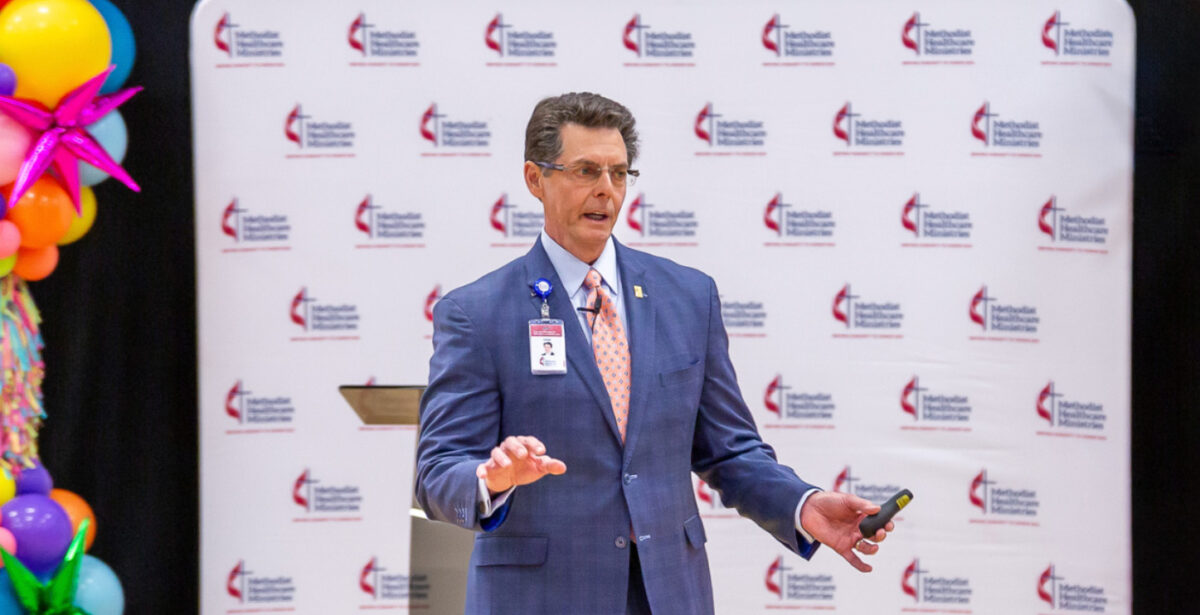
MHM Receives 2024 Governor’s Texas Award for Performance Excellence

San Antonio, TX (February 27, 2024)Methodist Healthcare Ministries of South Texas, Inc. (MHM) has been selected to receive the 2024 Governor’s Texas Award for Performance Excellence (TAPE) by the Quality Texas Foundation Regional Program (QTFRP). This is the highest level of achievement awarded to participating organizations. MHM is one of two Texas organizations receiving this honor in 2024.

QTFRP recognizes the most outstanding organizations regarding best business practices following the National Malcolm Baldrige Criteria for Performance Excellence. QTFRP annually recognizes organizations in Texas, the Commonwealth of Puerto Rico, Missouri, Kansas, Louisiana, South Carolina, Australia, and a part of Oklahoma that have achieved success in adoption and utilization of the Baldrige Criteria for Performance Excellence.  The award and recognition are given to only the very best managed organizations following a four-month process by a team of trained Examiners and includes an independent analysis, consolidation of findings, and a hybrid site visit (virtual and onsite).

“This honor affirms that Methodist Healthcare Ministries is heading in the right direction, as we continue our excellence journey and we are now recognized as a role model organization demonstrating exceptional performance in all areas of management and operations,” said Jaime Wesolowski, President & CEO of Methodist Healthcare Ministries. “We are deeply proud of our board and team of caring servants who work with remarkable quality, compassion, skill and dedication every day to advance health equity and fulfill our mission of Serving Humanity to Honor God.”

MHM first participated in the TAPE evaluation process in 2022. The organization reapplied in 2023 which included a formal site visit in December. With this honor, MHM is being recognized for its leadership, strategic planning, customer focus, measurement, analysis and knowledge management, workforce focus, operations focus and results.

Dr. Mac McGuire, CEO, QTFRP said “This is a very detailed and well-thought-out process to select the very best organizations from our region regardless of industry. On behalf of the Board of Directors, Judges, Fellows, Examiners, and staff, we are extremely happy to recognize our two Governor’s Award Recipients – El Paso County Hospital District and Methodist Healthcare Ministries as the two best organizations in our regional program. This Award recognition was intense and competitive using the Baldrige Framework and must be earned. Congratulations to the two organizations for a job well done.”

MHM will receive formal recognition for this honor during a celebration at the 31st Annual Awards/Recognition ceremony, held in person, June 9-11, 2024, at the Georgetown Sheraton, Georgetown, Texas. For more information, visit www.quality-texas.org.

###

About Methodist Healthcare Ministries of South Texas, Inc.

Methodist Healthcare Ministries broadens the definition of healthcare by providing low-cost clinical care for the uninsured and by supporting community-led efforts that improve living conditions that cause people to be sick in the first place. We use our earnings as co-owners of Methodist Healthcare to ensure that people who are economically disadvantaged and uninsured can live their healthiest lives. We do this by advocating for, investing in and providing access to quality clinical care and addressing factors that affect health—including economic mobility, supportive relationships, food security, broadband access, and safe neighborhoods. Ultimately, we fulfill our mission of “Serving Humanity to Honor God” by advancing health equity so that more resilient individuals & families living in the 74 counties we serve can thrive.

Hands-Only CPR Kiosk Highlighted at Health & Wellness Fair

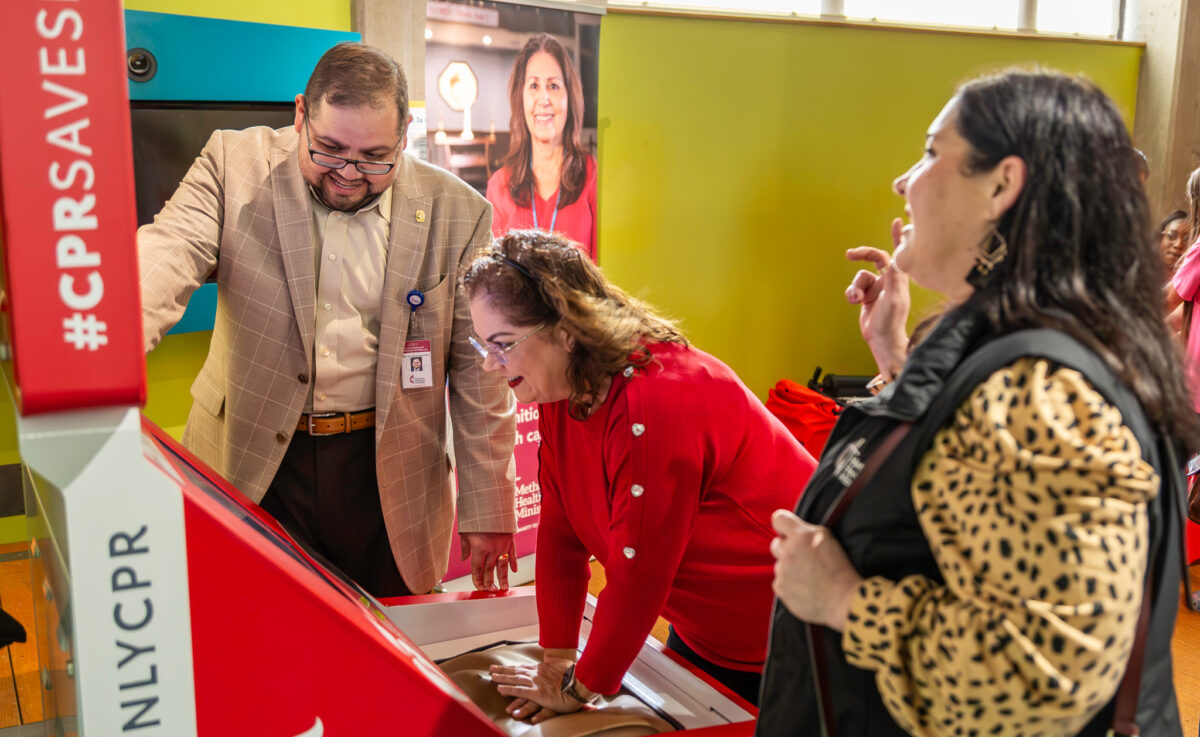
San Antonio (Feb. 21, 2024) – February is American Heart Month and the Witte Museum, Methodist Healthcare Ministries, and the American Heart Association hosted a special Health & Wellness Fair  on Tuesday, February 20, 2024, to share information on the importance of heart health. The event included a special ceremony where Methodist Healthcare Ministries announced its renewed financial support for the America Heart Association’s  Hands-Only CPR Training Kiosk located at the H-E-B Body Adventure Powered by University Health System.

“For Methodist Healthcare Ministries, renewing this partnership further advances our mission of serving humanity to honor God as it empowers people in the community to act and respond in the case of an emergency,” said Tony LoBasso, Chief Financial Officer at Methodist Healthcare Ministries. “By teaching visitors how to perform CPR and best render assistance in the case of a cardiac emergency, we can help save lives.  That is why this kiosk is so important and why we are excited to renew this partnership.”

The Witte Museum currently is the only location in South Texas with an American Heart Association Hands-Only CPR Training Kiosk sponsored by Methodist Healthcare Ministries. The nationally award winning H-E-B Body Adventure Powered by University Health System was selected for the Hands-Only CPR Training Kiosk due to the community focus on Health IQ, Wellness and Empowerment.  Launched in 2019, the American Heart Association Hands-Only CPR Training Kiosk at the Witte Museum is the most used Training Kiosk in the United States, according to the American Heart Association’s data.

“The Hands-Only CPR Training Kiosk shows our community and visitors to the Witte how to perform this lifesaving skill in a few minutes,” said Vincent Real, incoming Board Chair of the American Heart Association – San Antonio and CEO of Big State Electric. “This is by far one of the most powerful tools in our community to help change San Antonio from a community of bystanders to a community of Lifesavers.”

At the Health & Wellness Fair, attendees were able to practice the correct way to do CPR, take on the Witte Wellness Challenge and learn about the different health resources San Antonio has to offer from partners such as the Mayor’s Fitness Council, the American Diabetes Association, the San Antonio Food Bank, YMCA, UT Health Science Center and more.

“It’s exciting that the Witte Museum is the place where our partners can deliver this lifesaving CPR learning to so many people,” shared Dirk Elmendorf, CEO and President of the Witte Museum. “More than 50,000 Witte visitors of all ages have learned and gained confidence in CPR thanks to this powerful partnership with the American Heart Association and Methodist Healthcare.”

###

About the Witte Museum

Th Founded in 1926, the Witte Museum is where Science, Nature and Culture Meet, through the lens of Texas Deep Time, and the themes of Land, Water, Sky. Located on the banks of the San Antonio River in Brackenridge Park, the Witte Museum is San Antonio’s premier museum promoting lifelong learning through innovative exhibitions, programs and collections in natural history, science and South Texas heritage.

About American Heart Association

The American Heart Association is a leading force for a world of longer, healthier lives. With nearly a century of lifesaving work, the Dallas-based association is dedicated to ensuring equitable health for all. We are a trustworthy source empowering people to improve their heart health, brain health and well-being. We collaborate with numerous organizations and millions of volunteers to fund innovative research, advocate for stronger public health policies, and share lifesaving resources and information. Visit heart.org to learn more.

About Methodist Healthcare Ministries of South Texas, Inc.

Methodist Healthcare Ministries broadens the definition of health care by providing low-cost clinical care for the uninsured and by supporting community-led efforts that improve living conditions that cause people to be sick in the first place. We use our earnings as co-owners of Methodist Healthcare to ensure that people who are economically disadvantaged and uninsured can live their healthiest lives. We do this by advocating for, investing in and providing access to quality clinical care and addressing factors that affect health—including economic mobility, supportive relationships, food security, broadband access, and safe neighborhoods. Ultimately, we fulfill our mission of “Serving Humanity to Honor God” by advancing health equity so that more resilient individuals and families living in the 74 counties we serve can thrive. 

Capacity Building Series – Part II: Why Relationships Matter

In the first part of this blog, we learned why it is important to build relationships with funders and explored some ideas to help create genuine relationship connections. Now, let’s focus on the many ways an organization can approach funders and initiate engagement.

Approaching a funder in a personalized way to strengthen or establish a relationship can make a big impact and there are many ways you can do so. Consider the following:

  • Call a funder. For example, is a program officer available at the foundation for a call? Have a phone script ready with some sample questions to ask. They can answer any questions you have about the foundation’s giving and/or current grant cycle.
  • Write a letter of introduction/inquiry/interest. A letter to a foundation might be the first impression you make with a funder about your organization. Since these types of letters are often a page or two, the key is to be concise and compelling. Convert your elevator pitch (see below) into written format, telling the funder what your organization does and the outcomes of your organization’s work, sharing an impact story, and how you align with the funder’s aims.
  • Network (Board of Directors, professional associations, foundations). Once you’ve made a list of contacts with whom you want to establish a relationship, look for ways to interact with them. Friend them on LinkedIn and “like” their posts. This will keep you on their minds. Foundation leaders often attend and speak at conferences and seminars. If there is a foundation representative there, try to seek them out or attend their session. Introduce yourself and ask to exchange business cards (yes, business cards are still a thing!). Make sure to follow-up after the event saying it was nice to meet them.
  • Connect on social media. Sharing news on social media – impact stories, client testimonials, upcoming events, etc. – can attract the interest of funders. Also, be sure to follow the social media platforms of current and potential funders. Funders often post about upcoming grant opportunities, share stories about grantees (helpful to determine if you are a funding fit), and highlight issues they care about so you can learn about their funding priorities.
  • Ask for an introduction. When cultivating a relationship, having an introduction can go a long way. Create a list of trustees and staff from the “invitation only” funders you have identified. Share these lists with your organization’s own staff and board members to determine who they might know. Would they make an introduction?
  • Send invitations. Invite a funder for a site visit of your facility with opportunities to see your mission in action, or an upcoming event along with complimentary tickets if you can spare one or two. Review your organization’s programs, events, and offerings at least quarterly to determine which are the most powerful platforms for “friendraising.” Consider your list of foundation contacts and send an invitation to an activity or event you think might be of interest to them—it’s particularly effective coming from someone they know! Ask a board or staff member the funder knows to send the invite with a personal note.

Elevator Pitches

Imagine having only a few precious minutes – or even one minute – with a funder you have been trying to meet.  How do you make a connection with that funder? What do you say? The ability to deliver a strong elevator pitch can be a gamechanger. It’s an opportunity to share your organization’s story in a compelling way. Share your passion. Write a script. An elevator pitch can be used for so many occasions–your letter of interest to a funder, grant applications, fundraising campaigns, phone calls, meetings, etc.

Here are some tips:

  • Utilize storytelling skills to share the impact of your organization – aim for 60 seconds or less.
  • Start with the hook – 10 seconds or less – who you serve, how you help, and what impact you make.
  • The pitch – 30 seconds
  • What differentiates your nonprofit from others in the same space?
  • How effective are your current programs?
  • Do you have a compelling story?
  • How can a prospective funder get involved right now?
  • What do you plan to accomplish in the near and distant future?
  • The wrap up – 20 seconds – “the ask”/what outcome are you seeking?

Remember, this is just a general guide – consider adapting your elevator pitch to meet the moment. It should sound natural so be sure to practice! Start by practicing with friends first, get their feedback, and practice as often as you can. Practice will help build your confidence and improve your flow and pace, allowing you to sound more natural and compelling.

Maintaining the Relationship

Now let’s keep that momentum going. Once you’ve approached the funder, the relationship building has only just begun! Cultivating, building, and maintaining your relationship with a funder can not only increase your chances of getting the grant, but also help the funder feel appreciated and valued as you stay connected after receiving the grant.

Remember, relationship building with a funder often begins when seeking a grant but doesn’t end there. It should continue throughout the inquiry and application process and even after being awarded a grant or not.

After Being Awarded the Grant:

  • Most importantly, express your gratitude! Send funders thank you emails, handwritten notes or cards, or even give them a call just to say thank you.
  • Be transparent. Maintain honest and open communication with your funder. Share your organization’s needs and challenges—being vulnerable and sharing wins as well as pain points will allow the funder to get a better sense of what your organization needs from their support.
  • Connect with funder staff and board—remember, they’re passionate about the work, too!
    • Ask if they’d like to be added to your email list to stay updated on big developments.  
    • Get more personalized and offer information and updates on your organization’s programs and projects during one-on-one time via phone, mail, email, etc.
    • Utilize social media networks to continue to engage and stay connected. You can use LinkedIn to see if anyone in your network is connected with key foundation program officers. If so, ask if they can give you an introduction.
  • Get creative! Try some of the following approaches:
    • Share stories of lives changed and impacts made—storytelling is a strong way to connect, show appreciation, and strengthen a relationship. 
    • Invite them for a site visit tour and/or to events.
    • Call to ask for advice.

If You Did Not Get a Grant Award:

  • First of all, don’t be discouraged. Most funders receive far more proposals than they can support.
  • Thank the funder. Express your gratitude for the funder reviewing your proposal.
  • Seek feedback about your proposal. It can be extremely helpful to see what strengths and weaknesses the funder noted in your application. Important to note: some funders/foundations will let you know in their application guidelines if they are able to provide any feedback.
  • If you remain interested in the funder, keep in touch, and follow their social media platforms.
  • Try again. Yes, reapply when eligible. If you were able to obtain feedback about your previous proposal, incorporate that feedback into your proposal.

As we’ve discussed in this two-part blog, successful grant seeking can include much more than submitting a proposal or application. Building a relationship with funders is foundational and key to helping your organization secure funding and support your mission.

Now you can apply some of these relationship building principles and practices to your grant seeking efforts. We hope these strategies and tips help you and your organization.

Discussion (You can leave a comment below to continue the conversastion.)

  • Which types of funders has your organization connected with and how? Are there types of funders you want to reach out to, and which ones? Has networking been on your radar and how has that been for your organization?
  • What approaches have you used to reach prospective funders?
  • What were some challenges you have faced when trying to connect or maintain a relationship with a funder? How did you overcome them? Has anyone had similar experiences with these challenges/methods and have other solutions in mind?
  • How does your organization maintain relationships with funders?
  • For those organizations working in rural areas, what are your experiences/approaches? Frustrations?

*In Part 3 of this blog series, we will explore the practice of building collaborative relationships with peers and nonprofit organizations.

Click here to read Part 1 of this blog series, Building Realtionships with Funders. 

MHM.org author pics

About the author: Chloé Laurence (she/her)

claurence@mhm.org

With a professional background working in education, mental health counseling spaces, and the nonprofit sector, Chloé serves her community through education, advocacy, and capacity building. She utilizes her love of learning and connecting with people in her work as a Capacity Building Specialist at Methodist Healthcare Ministries to support and empower our funded partners. Her mission is to strengthen our partners’ organizations so they can continue their incredible work building health equity and serving underserved individuals.

Funded Partner Spotlight: Valley Initiative for Development and Advancement (VIDA).

Since 1995, Methodist Healthcare Ministries of South Texas, Inc. has provided over $1.4 billion to improve the well-being of the least served through its clinics, programs, and strategic partnerships. Methodist Healthcare Ministries is proud to partner with organizations that share similar missions and organizational objectives of increasing access to care for uninsured and economically disadvantaged individuals and families across South Texas.  

The Rio Grande Valley’s diverse and binational population is at a crossroads. With over 2.67 million residents in the area, the region surpasses both San Antonio and Austin in population. Despite being one of the largest urban areas in Texas there is a lack of a centralized municipal government which means that resources allocated to the area are often divided among dozens of cities across the region. During the COVID-19 Pandemic this decentralization was even more evident as the unemployment rate in the region increased to 17.3%, far exceeding the statewide rate of 13%, according to the Texas Tribune. However, since 2020 the unemployment rate in the area has dropped to 5.2% in Hidalgo County (the McAllen-Edinburg-Mission area) and 4.9% in Cameron County (Brownsville-Harlingen) as of October 2023, according to USA Today.

Part of the effort that is driving this success is the work of the Valley Initiative for Development and Advancement (VIDA). The organization promotes workforce development programs and provides  skilled unemployed or underemployed individuals with connections to employers looking for various types of skilled labor.

 Established in 1995 by Valley Interfaith and industry leaders, VIDA addresses the disconnect between Rio Grande Valley residents and employer demand for skilled labor by providing comprehensive workforce training that better equips program participants to pursue a more gainful means of employment.

For the first time, Methodist Healthcare Ministries (MHM) is partnering with VIDA to address health equity and the social determinants of health (SDOH). One of these priority areas includes education and workforce development, which overlap with VIDA’s mission and vision.

As an MHM partner receiving 2023 grant dollars, VIDA recently received a capacity building grant of $60,000 to hire a Development Director.  The Development Director will strengthen and cultivate new partnerships as well as identify new sources of funding to support the organization and its programs.

“VIDA was developed as a workforce development intermediary where to help industries fill those jobs that were in high demand evolving with technological advances and at the same time give residents of our region more opportunity to upskill and achieve economic mobility,” said Felida Villarreal, President and CEO of VIDA.

Today, VIDA builds institutional relationships in the Rio Grande Valley that links employers to unemployed and/or underemployed residents and uses these relationships to create necessary support services for their students such as career guidance, intensive case management and financial assistance.

“VIDA offers a variety of wraparound student support services that vary from student to student because it’s very customized to the individual’s needs,” Villareal said. “We can provide anything from tuition, tools, transportation or childcare assistance as well as financial assistance for anything they may need in their career journey to ensure program persistence and completion.”

Prior to joining the program participants typically earned $8 an hour but graduates earn an average annual salary of $47,756. VIDA is opening doors to better employment opportunities that include higher salaries, access to employer sponsored healthcare insurance and established career paths with room for growth.

“That drastic change and being able to achieve that economic prosperity, has a tremendous impact on their lives and that of their families,” Villarreal said. “There’s just no limit to the potential and professional growth from that point on. We’ve even seen some of our graduates become successful business owners.”

According to the Texas Center for Nursing Workforce Studies, the Rio Grande Valley is currently experiencing a shortage of 6,000 nurses across the region which puts further strain on existing medical staff and their ability to serve patients. In response to this, VIDA recently made national headlines as one of 25 organizations across the nation to be awarded the $3 million Nursing Expansion Grant from the U.S. Department of Labor. This will be key in providing services for students pursuing careers in the medical field and alleviating the shortage of nurses in the area.

“We’re truly grateful for the opportunity to be selected as a MHM grant recipient,” said Villarreal “We’ve already expanded our fundraising division and are seeking additional opportunities to grow our programs, serve more students and provide additional services to our community.”

Learn more about VIDA and their programs through their website: https://www.vidacareers.org/

10 Community Coalitions Selected for 3rd Cohort of Methodist Healthcare Ministries’ Prosperemos Juntos Thriving Together Implementation Phase

San Antonio, TX (December 14, 2023) – 10 community coalitions from across South Texas have been selected for the third cohort of Methodist Healthcare Ministries’ (MHM) Prosperemos Juntos | Thriving Together (PJTT) Implementation Phase. MHM has committed $14.7 million in funding over the next three years to enable the coalitions to advance their work. The coalitions recently completed  the six-month PJJT Learning Collaborative that began in March 2023 and helped them explore various frameworks to equip themselves to develop and implement a health equity strategy with their community.

Launched in 2021, PJTT accompanies communities in their journey toward health equity. MHM believes communities hold the solutions to improve their health and well-being. The goal of the annual PJTT Learning Collaborative is to equip coalitions with skills and resources to shift power and address root causes of health equity using the Pathways to Population Health framework as a guide.

The coalitions are  based in three geographic areas: Bexar County, the Mid-Border region (Dimmit, Edwards, Kinney, LaSalle, Maverick, Real, Uvalde, Val Verde and Zavala counties), and the Laredo area (Webb, Zapata and Jim Hogg counties). Coalitions funded in the implementation phase receive continued support through convenings, coaching, peer learning, funding and focused capacity-building. The support provided by MHM is for the purpose of advancing each coalition’s health equity strategy.

“The Prosperemos Juntos | Thriving Together program is one of the ways that we advance our strategic focus of strengthening communities,” said Jaime Wesolowski, President & CEO of Methodist Healthcare Ministries. “Seeing these coalitions advance to the implementation phase is inspiring as we witnessed their deep level of engagement with the learning collaborative and determined for themselves the solutions they want to pursue for the people who live, work, pray, and play in the communities we all serve.”

The coalitions selected for this cohort include:

Bexar County Coalitions

  •  Inspiring Hope
    • Corazon Ministries, Monster Moms, FREED Texas
  • Pathways to Prosperity
    • Culturingua, House of Prayer Lutheran Church, COSA Immigration Liaison, Afghan Village and Restaurant, West Avenue Compassion, Workforce Solutions Alamo, Salvere Public Health Consultants
  • Mission of Motherhood
    • American Indians in Texas at the Spanish Colonial Missions, P.E.A.C.E. Initiative, Opportunity Home, Workforce Solutions
  • Earth Warriors
    • Sustainable G’s, Black Freedom Factory, Rising Stars, SanArte Health & Cultural Clinic, De Corazon Circles (Circles in da Hood)

Mid-Border Region Coalitions

  • Eagle Pass Public Health
    • Maverick County Hospital District, Eagle Pass SAFE, City of Eagle Pass
  • The Support Hub
    • Maverick County Hospital District, City of Eagle Pass – Public Library, Healing Hearts
  • Neurodiversity Coalition
    • Eagle Pass HEROES, Maverick County Hospital District, City of Eagle Pass

Laredo Area Coalitions

  • Zacate Creek Green District
    • Rio Grande International Study Center, Azteca Economic Development and Preservation Corp, Laredo Center for Urban Agriculture and Sustainability (LCUAS), City Makery/Able City, City of Laredo Health Department, Laredo Main Street, Monte Mucho Audubon Society
  • Drug Free Communities (FACE)
    • Holding Institute, PILLAR, Grace Center, WestCare Foundation,                     Communities in Schools of Laredo, Inc.
  • Laredo Health Promotores
    • Ruthe B. Cowl Rehabilitation Center, City of Laredo – Public Health Department, Laredo Stroke Support Group, Mercy Ministries of Laredo

Having completed the Learning Collaborative, coalitions were invited to apply to the Implementation Phase, which lasts three years and includes funding. MHM will continue to support and journey alongside the coalitions as they implement their visions for healthy and thriving communities.

For more information on the Prosperemos Juntos | Thriving Together Learning Collaborative, visit: https://mhmbridgeofblessings.org/thriving-communities/.

###

About Methodist Healthcare Ministries of South Texas, Inc.

Methodist Healthcare Ministries broadens the definition of health care by providing low-cost clinical care for the uninsured and by supporting community-led efforts that improve living conditions that cause people to be sick in the first place. We use our earnings as co-owners of Methodist Healthcare to ensure that people who are economically disadvantaged and uninsured can live their healthiest lives. We do this by advocating for, investing in and providing access to quality clinical care and addressing factors that affect health—including economic mobility, supportive relationships, food security, broadband access, and safe neighborhoods. Ultimately, we fulfill our mission of “Serving Humanity to Honor God” by advancing health equity so that more resilient individuals and families living in the 74 counties we serve can thrive.

———————————————————————————————————————–

10 Coaliciones Comunitarias Seleccionadas para la 3ra Cohorte de la Fase de Implementación de Prosperemos Juntos Thriving Together de Methodist Healthcare Ministries

San Antonio, TX (14 de diciembre de 2023) – 10 coaliciones comunitarias de todo el sur de Texas han sido seleccionadas para la tercera cohorte de la Fase de Implementación de Prosperemos Juntos | Thriving Together (PJTT) de Methodist Healthcare Ministries (MHM). MHM se ha comprometido a aportar $14.7 millones de dólares durante los próximos tres años para que las coaliciones puedan avanzar en su trabajo. Las coaliciones completaron recientemente el Colaborativo de Aprendizaje PJJT de seis meses que comenzó en marzo de 2023 y les ayudó a explorar varios marcos para equiparse para desarrollar e implementar una estrategia de equidad en salud con su comunidad.

Lanzada en 2021, la PJTT acompaña a las comunidades en su camino hacia la equidad en salud. MHM cree que las comunidades tienen las soluciones para mejorar su salud y bienestar. El objetivo de la colaboración anual de aprendizaje de la PJTT es dotar a las coaliciones de habilidades y recursos para cambiar el poder y abordar las causas fundamentales de la equidad sanitaria utilizando como guía el marco de Caminos hacia la Salud de la Población.

Las coaliciones están ubicadas en tres zonas geográficas: El condado de Bexar, la región de la Frontera Media (condados de Dimmit, Edwards, Kinney, LaSalle, Maverick, Real, Uvalde, Val Verde y Zavala) y la zona de Laredo (condados de Webb, Zapata y Jim Hogg). Las coaliciones financiadas en la fase de implementación reciben apoyo continuo a través de convocatorias, asesoramiento, aprendizaje entre iguales, financiación y desarrollo de capacidades específicas. El apoyo proporcionado por MHM tiene como objetivo impulsar la estrategia de equidad en salud de cada coalición.

“El programa Prosperemos Juntos | Thriving Together es una de las formas en que promovemos nuestro enfoque estratégico de fortalecer las comunidades”, dijo Jaime Wesolowski, Presidente y Director Ejecutivo de Methodist Healthcare Ministries. “Ver a estas coaliciones avanzar a la fase de implementación es inspirador, ya que fuimos testigos de su profundo nivel de compromiso con el colaborativo de aprendizaje y determinamos por sí mismos las soluciones que quieren perseguir para las personas que viven, trabajan, oran y juegan en las comunidades que todos servimos.”

Las coaliciones seleccionadas para esta cohorte son:

Coaliciones del Condado de Bexar

  • Inspiring Hope
    • Corazon Ministries, Monster Moms, FREED Texas
  • Pathways to Prosperity
    • Culturingua, House of Prayer Lutheran Church, COSA Immigration Liaison, Afghan Village and Restaurant, West Avenue Compassion, Workforce Solutions Alamo, Salvere Public Health Consultants
  • Mission of Motherhood
    • American Indians in Texas at the Spanish Colonial Missions, P.E.A.C.E. Initiative, Opportunity Home, Workforce Solutions
  • Earth Warriors
    • Sustainable G’s, Black Freedom Factory, Rising Stars, SanArte Health & Cultural Clinic, De Corazon Circles (Circles in da Hood)

Coaliciones de la región de la fronteriza central

  • Eagle Pass Public Health
    • Maverick County Hospital District, Eagle Pass SAFE, City of Eagle Pass
  • The Support Hub
    • Maverick County Hospital District, City of Eagle Pass – Public Library, Healing Hearts
  • Neurodiversity Coalition
    • Eagle Pass HEROES, Maverick County Hospital District, City of Eagle Pass

Coaliciones de la zona de Laredo

  • Zacate Creek Green District
    • Rio Grande International Study Center, Azteca Economic Development and Preservation Corp, Laredo Center for Urban Agriculture and Sustainability (LCUAS), City Makery/Able City, City of Laredo Health Department, Laredo Main Street, Monte Mucho Audubon Society
  • Drug Free Communities (FACE)
    • Holding Institute, PILLAR, Grace Center, WestCare Foundation, Communities in Schools of Laredo, Inc.
  • Laredo Health Promotores
    • Ruthe B. Cowl Rehabilitation Center, City of Laredo – Public Health Department, Laredo Stroke Support Group, Mercy Ministries of Laredo

Una vez completado el Colaborativo de Aprendizaje, se invitó a las coaliciones a presentar su solicitud para la Fase de Implementación, que dura tres años e incluye financiación. MHM continuará apoyando y acompañando a las coaliciones en la implementación de sus visiones de comunidades saludables y prósperas.

Para más información sobre el Colaborativo de Aprendizaje Prosperemos Juntos | Thriving Together, visite:https://mhmbridgeofblessings.org/thriving-communities/.

###

Acerca de Methodist Healthcare Ministries of South Texas, Inc.

Methodist Healthcare Ministries amplía la definición de asistencia sanitaria proporcionando atención clínica de bajo costo para las personas sin seguro y apoyando los esfuerzos dirigidos por la comunidad que mejoran las condiciones de vida que causan que las personas enfermen en primer lugar. Utilizamos nuestras ganancias como copropietarios de Methodist Healthcare para garantizar que las personas económicamente desfavorecidas y sin seguro médico puedan llevar una vida más sana. Para ello, defendemos, invertimos y facilitamos el acceso a una atención clínica de calidad y abordamos los factores que afectan a la salud, como la movilidad económica, las relaciones de apoyo, la seguridad alimentaria, el acceso a la banda ancha y las vecindades seguras. En última instancia, cumplimos nuestra misión de “Servir a la humanidad para honrar a Dios” fomentando la equidad en salud para que las personas y familias que viven en los 74 condados en los que prestamos servicio puedan prosperar.

Methodist Healthcare Ministries Awards more than $21 million to advance digital equity across South Texas

San Antonio, TX (December 12, 2023)Methodist Healthcare Ministries of South Texas, Inc. (MHM) is investing more than $21 million over three years to twenty organizations in an effort to advance digital equity and strengthen communities across Texas. The funding will help increase the capacity of community-based organizations and community anchor institutions throughout the region to provide critical digital resources.

While MHM has invested in digital equity before, this investment represents a significant step forward for the organization as it continues a strategic shift towards advancing health equity. MHM is working to ensure all people in its service region have access to reliable, affordable broadband service and the skills and opportunities to use this technology safely and effectively to support their economic, health and social needs.

“At Methodist Healthcare Ministries, we are broadening the definition of health care through invaluable partnerships with vital community-focused agencies across Texas,” said Jaime Wesolowski, President & CEO of Methodist Healthcare Ministries. “We believe that by investing in advancing digital equity, we are not just helping communities to bridge the digital divide, but are also empowering them to access opportunities, connect with vital resources, and take charge of their well-being. Our commitment to funding digital equity, evidenced by this investment across Texas, is a testament to our belief that everyone deserves the tools and skills to thrive in the digital age.”

Organizations receiving funds meet one of three key funding opportunities identified by MHM as being critical to improving digital equity. The three opportunities include: Device Access, Digital Skills, and Public Benefit Adoption. Device Access includes activities as varied as refurbishing devices to developing community spaces that can be used as computer centers/hubs. The Digital Skills funding opportunity looks at hiring and overseeing a Digital Connector Cohort and incorporating them into existing community spaces and programs.  Digital Connectors are community technology ambassadors who apply a lens of health and well-being to bringing needed digital services to communities. Finally, Public Benefit Adoption will promote subsidy outreach from ACP (Affordable Connectivity Program), SNAP (Supplemental Nutrition Assistance Program) and Medicaid, just to name a few.

Below is a list of the organizations being funded:
Brownsville Housing Opportunity Corporation

Building Promise USA

City of Mercedes

City of Pharr *

Community Council of South Central Texas *

Community Tech Network

Compudopt

Empower House San Antonio

Family Service*

Family Violence Prevention Services Inc. *

Girls Inc. of San Antonio *

Goodwill Central Texas

Human-I-T

Institute for Local Self-Reliance

MHP Salud *

Mission Road Development Center

People’s  Community Clinic *

Restore Education *

Sunrise Homeless Navigation Center*

South Texas Rural Health Services*

*Indicates current MHM funded partner

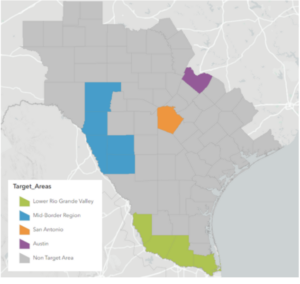
The organizations receiving funding are found mostly within four regions being targeted by MHM for this effort, including the Lower Rio Grande Valley, the Mid-Border Region, San Antonio, and Austin. These areas have been identified as having significant digital equity needs and are crucial for MHM’s efforts to bridge the digital divide. In addition to the targeted regions, MHM also prioritized eight covered populations identified by the United States Congress as being the most vulnerable to the digital divide, including: aging individuals (age 60+), incarcerated individuals, veterans, persons with disabilities, rural populations, individuals with a language barrier, low-income households and racial and ethnic minorities. These groups often face significant challenges in accessing digital resources. By focusing on these populations and the targeted regions, MHM aims to ensure that its efforts have the greatest impact in narrowing the digital divide and promoting digital inclusion.

Community Tech Network (CTN), a proven digital equity leader, provides an example of how this investment by MHM will enable its funded partners to improve digital equity for communities across Texas. CTN will provide its digitalLIFT capacity building training toolkit to 30 agencies in Travis, Bexar, Williamson, Hays, Bastrop, and Caldwell counties as well as MHM grantees. It will also deploy five (5) Digital Navigators to these regions to support in these efforts.  Additionally, with MHM’s support, CTN will complete development of a LIFT Wellness module, empowering effective digital stewardship in health-related services.

“This impactful partnership will increase the capacity of community-based organizations (CBOs) and community anchor institutions in Texas to provide critical digital resources, training services, curriculum and support,” said Skye N. Downing, Programs and Partnership Director at Community Tech Network. “Our work together will advance individual and community-wide digital equity in Texas, highlighting the roles that digital equity and access play in health care outcomes, as a super determinant of health.”

Since inception, Methodist Healthcare Ministries has provided more than $1.5 billion in health care services through its clinical programs, and partnerships, and is the largest private funding sources for community health care to low-income families and the uninsured in South Texas.

###

About Methodist Healthcare Ministries of South Texas, Inc.

Methodist Healthcare Ministries broadens the definition of healthcare by providing low-cost clinical care for the uninsured and by supporting community-led efforts that improve living conditions that cause people to be sick in the first place. We use our earnings as co-owners of Methodist Healthcare to ensure that people who are economically disadvantaged and uninsured can live their healthiest lives. We do this by advocating for, investing in and providing access to quality clinical care and addressing factors that affect health—including economic mobility, supportive relationships, food security, broadband access, and safe neighborhoods. Ultimately, we fulfill our mission of “Serving Humanity to Honor God” by advancing health equity so that more resilient individuals & families living in the 74 counties we serve can thrive.

More than 160 Local Families Will Receive Decorated Trees at 11th Annual Christmas Tree Giveaway at Wesley Health & Wellness Center

San Antonio (December 5, 2023) – On Wednesday, November 29, Methodist Healthcare Ministries partnered with Methodist Healthcare and the San Antonio Spurs to donate more than 160 decorated Christmas trees to underserved families in San Antonio. As part of their annual holiday celebrations, several departments of Methodist Hospital, Methodist Children’s Hospital, Methodist Hospital | Texsan, Methodist Hospital | Landmark, Methodist Hospital | Metropolitan and Methodist Healthcare System Office participate in a tree decorating contest. Following the competition, the trees, along with 90 wreaths decorated by departments at Methodist Hospital | Specialty & Transplant, Methodist Hospital | Northeast and Methodist Hospital | Stone Oak, are given to families served by Methodist Healthcare Ministries. (View footage from the 2023 event.)

The families who received Christmas trees are selected amongst existing Methodist Healthcare Ministries’ patients and clients who receive care through its Parenting Programs, Recreation & Enrichment services, Behavioral Health, and the Wesley Nurse program. The distribution started at 4 p.m. and lasted through 6 p.m., when the last family loaded up its tree.

“Seeing the smiles on the faces of the families and taking in the joy truly makes this one of our favorite traditions” said Jaime Wesolowski, President & CEO at Methodist Healthcare Ministries. “This annual event between our organization and Methodist Healthcare hospitals supports our shared mission of ‘Serving Humanity to Honor God” and we are incredibly grateful for the opportunity to share the Christmas spirit and holiday cheer with our community.”

This year, a Winter Wonderland was created inside the Wesley Health & Wellness Center for families to enjoy while waiting to pick out their tree, with Spurs players Malaki Branham and Charles Bassey, Coyote and Hype Squad in attendance for the festivities. Methodist Healthcare is the Official Healthcare System of the San Antonio Spurs.

###

About Spurs Sports & Entertainment

Spurs Sports & Entertainment (SS&E) is a value-based and community-centric sports and entertainment company that provides premier live and global digital experiences for fans across a portfolio of three teams and two venues – all supported by a passionate staff of more than 1,000 full and part-time employees. SS&E owns and operates the San Antonio Spurs (NBA), Austin Spurs (NBA G League), and San Antonio FC (USL), as well as manages the day-to-day operations of the Frost Bank Center, Toyota Field and STAR Complex. In November 2021, SS&E broke ground on The Rock at La Cantera, a multiphase $500 million legacy project that will extend across 45 acres and feature a human performance research center, 22-acre park, a community outdoor event plaza and space for medical, hospitality and office use. The campus is home to the new Victory Capital Performance Center, a state-of-the-art training facility for the San Antonio Spurs, which opened in October 2023. The SS&E investor group is led by Managing Partner Peter J. Holt.

About Methodist Healthcare Ministries of South Texas, Inc.

Methodist Healthcare Ministries broadens the definition of healthcare by providing low-cost clinical care for the uninsured and by supporting community-led efforts that improve living conditions that cause people to be sick in the first place. We use our earnings as co-owners of Methodist Healthcare to ensure that people who are economically disadvantaged and uninsured can live their healthiest lives. We do this by advocating for, investing in and providing access to quality clinical care and addressing factors that affect health—including economic mobility, supportive relationships, food security, broadband access, and safe neighborhoods. Ultimately, we fulfill our mission of “Serving Humanity to Honor God” by advancing health equity so that more resilient individuals and families living in the 74 counties we serve can thrive. 

About Methodist Healthcare

Methodist Healthcare is a 50-50 co-ownership between Methodist Healthcare Ministries of South Texas, Inc., South Texas’ largest non-public funding source of community health care for uninsured patients; and HCA Healthcare, the nation’s leading provider of healthcare services. This creates a unique partnership that ensures Methodist Healthcare Ministries continues to benefit the community by providing quality care to all and charitable care when needed. Methodist Healthcare invested $818 million in charity and indigent care to the community in 2022 alone. With over 30 facilities, including ten hospitals and nine freestanding emergency departments, over 732,783 ER, inpatients and outpatients are served annually. The Methodist Healthcare team is comprised of 13,500 staff, making the system the second largest private employer in San Antonio. With more than 3,400 credentialed physicians, Methodist Healthcare provides the largest array of medical services in the region, including neurosurgery, cardiovascular services, oncology and women’s services. And, with 25 surgical robots, Methodist Healthcare is a national leader in robotic surgery, as well as home to the nation’s largest Live Donor Kidney Transplant program and several Fortune/Merative Top 100 Hospitals in the nation for its outstanding quality outcomes. Visit SAHealth.com to learn more.

Capacity Building Series: Relationship Building with Funders (Part I)

Why do relationships with funders matter? Consider these facts:

  • Charitable giving reached a record high in 2020 with $471 billion donated to nonprofits. Foundations contributed $88.5 billion (Giving USA).
  • More than 1.6 million nonprofits are registered in U.S. (Urban Institute, National Center for Charitable Statistics 2000).
  • There are an estimated 115,000 foundations in the U.S. (Candid 2018).

So, what can a nonprofit do to stand out while also getting to know funders? In short, having a genuine connection with a funder can break through the competition. The goal is to build authentic relationships. At Methodist Healthcare Ministries, we know through experience that relationships built on false narratives, or projections of how you want others to perceive you instead of who you really are, won’t last. However, making connections by focusing on and prioritizing relationships and trust can help a funder get to know you. Remember, growing relationships is like any other organic process—they need tending on a regular basis.

Creating a Return on Relationship: Importance and Benefits of Relationship Building with Funders

You’re probably familiar with the term “Return on Investment” or ROI. What about ROR (Return on Relationship)? Ted Rubin, a social marketing strategist, trademarked the concept of Return on Relationship. Think about relationship building in terms of a Return on Relationship—there is value accrued due to nurturing a relationship. Relationships inherently are not financial assets; relationships are priceless.

Here are some ideas for increasing your Return on Relationship with funders:

Move beyond only being in a transactional mode with funders. Transactional actions can include questions about grant applications, grant guidelines, grant reports, etc. Instead, think of funders as allies. Funders want their current and prospective partners to succeed. So, find funder allies and then listen carefully to their suggestions regarding your partnership to get the most out of the financial support provided and, perhaps, support beyond the check such as capacity building services. Funders often have expertise, insight, and social capital you can use to be more successful. Many nonprofits and grantees miss out on useful opportunities because they are solely focused on just getting the money versus building a relationship.

Be transformative. Strive to interact in a transformative mode with funders. Being transformative is dynamic. It’s your organization engaging outside of the grant cycle time period. It’s storytelling – your organization’s current events, future plans, and outcomes; sharing ideas or ways to be more strategic. It’s important to set realistic expectations of how much time funders can spend with a partner or prospective partner, so keep balance in mind.

Initiate engagement. Be proactive and seek out funders. This is especially important when it comes to rural grant seeking & philanthropic deserts; funders likely won’t find you. You have to find them!  Some resources to help with rural grantseeking:

Seek peer advice. Don’t forget your peer organizations in your relationship building strategy with funders. Search a foundation’s list of recent grant recipients. If a peer organization has recently received funding, reach out to ask how they established the connection. While grant seeking is competitive, your peer organizations will understand that foundations often have diverse funding interests and will trust you to build a relationship based on your organization’s unique programs and services. Incorporate the tips and feedback you receive from your peers into your cultivation strategy.

Understanding the “Foundation” of Foundations

Understanding Foundations

What is a community foundation?

⇢ What is a private foundation?

What is a corporate foundation?

Source: insidephilanthropy.com

Once you know the different types of foundations–Community,
Private, Operating, and Corporate–you can then research how foundations operate and discover their “why” and/or purpose. Knowing this information can help you vet foundations and grant opportunities more appropriately. In your vetting process, look for alignment with organization type, programs, and services that have been funded. Research the typical grant award; grant periods (one year or multi-year); criteria for funding; funding restrictions; timelines; grant guidelines and application process, etc.

A community foundation is a grantmaker that serves a specific community or region. Distinct from a private foundation, which is usually funded by a single individual, family or corporation, a community foundation is a public charity that is funded by many donors and governed by a board that reflects the community it serves. Examples: San Antonio Area Foundation, Coastal Bend Community Foundation, and Community Foundation of the Texas Hill Country.

A private foundation is a non-governmental agency who might be an individual or family that establishes a private foundation to give money (and sometimes other resources) to nonprofits engaged in charitable activities. Examples: Meadows Foundation, Nancy Smith Hurd Foundation, and Anderson Charitable Foundation.

A corporate foundation is a private foundation whose money is contributed by a for-profit business. Think Home Depot or State Farm.

An operating foundation is a private foundation that provides public programming and services and charitable funding. Examples: St. David’s Foundation and Episcopal Health Foundation.

Be curiousFunders who don’t accept unsolicited proposals? Consider and approach funders who don’t accept unsolicited applications if they are a good funding fit for your organization’s work and mission. Many of these foundations are willing to consider new applicants but are using other methods to learn about potential partners to limit the number of proposals they have to review. Your organization deserves to be considered. Don’t dismiss a prospect just because you have read that they do not accept unsolicited proposals, especially if it fits your organization’s work and mission. It doesn’t hurt to ask. Don’t tell yourself no by assuming they’ll tell you no. If it’s a no, then let them tell you no. 

Source: https://help.candid.org/s/article/applications-not-accepted

Look at the funder’s grant awards from the last several years to see its giving trends. The funder could be a good prospect if the funder awards grants to different organizations from year to year, has a similar funding priority to your organization’s mission, and makes grants in your geographic region. However, if a funder makes grants to the same organizations year after year, you might consider looking at other funders instead.

Source: https://help.candid.org/s/article/applications-not-accepted

*In Part 2 of this blog, we will focus on a multitude of ways your organization can approach funders, initiate engagement, and maintain relationships with funders.

MHM.org author pics

About the author: Chloé Laurence (she/her)

claurence@mhm.org

With a professional background working in education, mental health counseling spaces, and the nonprofit sector, Chloé serves her community through education, advocacy, and capacity building. She utilizes her love of learning and connecting with people in her work as a Capacity Building Specialist at Methodist Healthcare Ministries to support and empower our funded partners. Her mission is to strengthen our partners’ organizations so they can continue their incredible work building health equity and serving underserved individuals.

November 2023 Calendar of Events – WHWC

Methodist Healthcare Ministries’ Wesley Health & Wellness team offers a wide variety of programs and classes designed for every skill level! All classes are free and open to the public. Registration is required, call (210) 922-6922 to register.

Click here to download a copy of our Wesley Health & Wellness Center – Calendar of Events for November 2023.

English

2023 November Calendar_Page_1

Español

2023 November Calendar_Page_2
White close icon

Jaime Wesoloski

President & Chief Executive Officer

Jaime Wesolowski is the President and Chief Executive Officer at Methodist Healthcare Ministries. A healthcare executive with three decades of leadership experience, Jaime is responsible for the overall governance and direction of Methodist Healthcare Ministries. Jaime earned his Master’s Degree in Healthcare Administration from Xavier University, and his Bachelor’s of Science from Indiana University in Healthcare Administration. As a cancer survivor, Jaime is a staunch supporter of the American Cancer Society. He serves as Chair of the American Cancer Society’s South Texas Area board of directors and he was appointed as Chair to the recently created South Region Advisory Cabinet, covering eight states from Arizona through Alabama. Jaime believes his personal experience as a cancer survivor has given him more defined insight and compassion to the physical, emotional, and spiritual needs of patients and their families.