Nearly 120 Local Families Receive Trees at 10th Annual Christmas Tree Giveaway

San Antonio (Dec. 6, 2022)Methodist Healthcare Ministries of South Texas, Inc.  partnered with Methodist Healthcare for the tenth consecutive year to donate nearly 120 decorated Christmas trees to underserved families in San Antonio. As part of their annual holiday celebrations, several departments of Methodist Hospital, Methodist Children’s Hospital, Methodist Hospital | Texsan and Methodist Hospital | Metropolitan participate in a tree decorating contest. Following the competition, the trees, along with 64 wreaths decorated by departments at Methodist Hospital | Specialty and Transplant and Methodist Hospital | Stone Oak, are given to families in need served by Methodist Healthcare Ministries. 

“Having an opportunity to spread some Christmas joy to families in need continues to bring incredible pride and joy to our team members who work tirelessly every day to help support resilient families across the communities we serve” said Jaime Wesolowski, President & CEO at Methodist Healthcare Ministries. “This annual tradition between our organization and Methodist Healthcare hospitals that participate further supports our shared mission of ‘Serving Humanity to Honor God” and we are incredibly grateful for the opportunity to share the Christmas spirit and holiday cheer with our community.”

This year, the San Antonio Spurs partnered with Methodist Healthcare to help spread even more holiday cheer as players Doug McDermott and Isaiah Roby, Spurs Coyote and Spurs  Hype Squad will be on hand to greet families and help load up the Christmas trees. 

The families receiving Christmas trees are selected from Methodist Healthcare Ministries’ existing patients and clients who receive care through its Parenting Programs, Recreation & Enrichment services, Behavioral Health and the Wesley Nurse program. This year, a Winter Wonderland will be created inside the Wesley Health & Wellness Center for the families to enjoy while waiting to pick out their tree.

###

About Methodist Healthcare Ministries of South Texas, Inc.

Methodist Healthcare Ministries of South Texas, Inc. is a private, faith-based not-for-profit organization dedicated to creating access to health care for the uninsured through direct services, community partnerships and strategic grant-making in 74 counties across South Texas. Guided by its mission of “Serving Humanity to Honor God,” Methodist Healthcare Ministries’ vision is to be the leader for improving wellness of the least served. The mission also includes Methodist Healthcare Ministries’ one-half ownership of the Methodist Healthcare System, the largest healthcare system in South Texas, which creates a unique avenue to ensure that it continues to be a benefit to the community by providing quality care to all and charitable care when needed. For more information, visit mhmbridgeofblessings.org.

About Methodist Healthcare

Methodist Healthcare is a 50-50 co-ownership between Methodist Healthcare Ministries of South Texas, Inc., South Texas’ largest non-public funding source of community health care for uninsured patients; and HCA Healthcare, the nation’s leading provider of healthcare services. This creates a unique partnership that ensures Methodist Healthcare Ministries continues to benefit the community by providing quality care to all and charitable care when needed. Methodist Healthcare invested $756 million in charity and indigent care to the community in 2020 alone. With 30 facilities, including nine hospitals and eight freestanding emergency departments, over 685,000 inpatients and outpatients are served annually. The Methodist Healthcare team is comprised of 12,500, making the system the second largest private employer in San Antonio. With more than 3,400 credentialed physicians, Methodist Healthcare provides the largest array of medical services in the region, including neurosurgery, cardiovascular services, oncology and women’s services. And with 25 surgical robots, Methodist Healthcare is a national leader in robotic surgery, as well as home to the nation’s largest Live Donor Kidney Transplant program. Visit SAHealth.com to learn more.  

MHM Hosts Thanksgiving Luncheon for 400+ Community Members

San Antonio (November 23, 2022) – On Tuesday, November 22, Methodist Healthcare Ministries of South Texas, Inc. hosted its annual Thanksgiving Luncheon for the community around the Wesley Health & Wellness Center on the South side of San Antonio in-person for the first time since 2019.  Each year, MHM provides a tasty and fresh Thanksgiving meal to its patients, clients, their families, neighbors and staff. This annual tradition started back in 2009 and is a fun, festive event that embodies our mission to “Serving Humanity to Honor God.”  

“I consider us family at Methodist Healthcare Ministries and I also think that everybody we serve is part of our family, so it’s great to be able to share with them some food, some comraderie and some good times as we thank God together for the blessings we all have,” said Jaime Wesolowski, President & CEO of Methodist Healthcare Ministries.

Preparations for this event, a true team effort, begins weeks in advance with MHM’s kitchen staff ordering the food and supplies needed to prepare the feast, which takes days to prepare. This year, they prepared enough food to feed 450 community members, volunteers and staff.  They prepared 100 turkeys, 75 pounds of mashed potatoes, 75 pounds of green beans, 75 pounds of stuffing, 50 gallons of gravy, 30 pounds of cranberry sauce, 500 rolls, dessert and more. Staff from across the organization, including corporate officers and board members, volunteer in different ways to greet guests and serve them a warm meal along with warm fellowship and hospitality.

Bringing this event back to in-person warmed the hearts of MHM staff and volunteers as it remains one of the organization’s most cherished traditions. The event allows patients and clients from all walks of life the opportunity to come together for a special day of thanks, grace and community.  

For a video with highlights from our 2022 luncheon, please click here.

###  

About Methodist Healthcare Ministries of South Texas, Inc.  

Methodist Healthcare Ministries of South Texas, Inc. is a private, faith-based not-for-profit organization dedicated to creating access to health care for the uninsured through direct services, community partnerships and strategic grant-making in 74 counties across South Texas. Guided by its mission of “Serving Humanity to Honor God,” Methodist Healthcare Ministries’ vision is to be the leader for improving wellness of the least served. The mission also includes Methodist Healthcare Ministries’ one-half ownership of the Methodist Healthcare System, the largest healthcare system in South Texas, which creates a unique avenue to ensure that it continues to be a benefit to the community by providing quality care to all and charitable care when needed. For more information, visit mhmbridgeofblessings.org.  

A Closer Look at MHM’s Strategic Focus Areas

Advancing health equity is a long-term commitment that requires multiple approaches. To guide its strategic efforts for increased impact, Methodist Healthcare Ministries of South Texas, Inc. has defined three focus areas that will act as a roadmap for the next ten years of its work: Transform Internal Processes and Culture, Strengthen Communities, and Impact Systemic Changes.

Strategic Focus #1 – Transform Internal Processes and Culture

Methodist Healthcare Ministries will transform its culture, internal capacity, and processes to advance health equity.
This will include advancing a culture of equity, diversity and inclusion, increasing an understanding of and competency in applying an equity lens to our organizational work, policies, processes, and procedures; and fostering greater intentionality in our pursuit of broadening the definition of health care.

Some of our work in the area of internal transformation includes:

Methodist Healthcare Ministries became the first organization to attain a Level 1 – Trauma Informed Certification from the Ecumenical Center in August 2021.

– Becoming a Trauma Informed Care-certified organization in Summer 2021. Methodist Healthcare Ministries became the first organization to attain a Level 1 – Trauma Informed Certification from the Ecumenical Center, the certifying entity for the South Texas Trauma Informed Care Crisis Consortium. Trauma Informed Care practices can help improve client, patient, and employee relationships, and help organizations avoid re-traumatizing those who have experienced trauma in the past.
– Starting the journey of implementing intentional anchor strategies that leverage local community assets in our operations. We are increasing our focus on contracting and spending with Small, Women and Minority Owned Business Enterprises (SWMBE) and Veteran-Owned Businesses (VOB). Methodist Healthcare Ministries conducted an internal analysis of our spending with SWMBEs and VOBs; finding that 32% of our 2020 dollars spent were with SWMBEs and VOBs, and this increased to 46% of total spending in 2021. Organizational goals and practices have been set in place to continue identifying opportunities to increase spending with these vendors.
– Engaging in learning and dialogue to foster increased understanding of equity, diversity, and inclusion. Building upon this increased understanding to integrate practices and policies are key to transforming our internal culture.
– Adjusting our internal processes and culture, the organization recently increased the minimum starting wage to $15/hr to improve the overall standard of living for team members and their families. This is another example of Methodist Healthcare Ministries shifting its internal policies in pursuit of supporting health and well-being for all.
Strategic Focus #2 – Strengthen Communities
Methodist Healthcare Ministries’ will build upon the capacity of Resilient Families and Thriving Communities to reach their full potential for health and life. This focus area encompasses the majority of Methodist Healthcare Ministries’ work and a variety of ways in which the organization will be able to engage and support communities. This includes but is not limited to community investments, clinical care, regional health and wellness programs and services, and working alongside community members as we focus on place-based strategies.
As one example, in March of 2021, Methodist Healthcare Ministries launched the first Prosperemos Juntos | Thriving Together Learning Collaborative, which is the initial means by which it will support the development and growth of communities of solutions throughout south and central Texas. Nonprofits, faith communities, schools, and other groups in Bexar County and South Texas who are part of the learning collaborative identify a vital community condition with community residents most affected by poverty, racism, and other inequities and develop strategies to address root causes.  Each annual learning collaborative is a capacity-building opportunity for communities in south and central Texas to substantially accelerate their health equity journey.  Methodist Healthcare Ministries believes communities have the solutions to improve their health and well-being. Each learning collaborative equips community-driven coalitions with skills and resources to strategically advance health equity, using the Institute for Healthcare Improvement’s Pathways to Population Health framework[TV1]  as a guide.

Methodist Healthcare Ministries opened the new Dixon Health & Wellness Center on San Antonio's East Side in 2019.
Methodist Healthcare Ministries opened the new Dixon Health & Wellness Center on San Antonio’s East Side in 2019.

Methodist Healthcare Ministries also has a long history of other areas of work in Strengthening Communities. As an example, in San Antonio, the Wesley Health & Wellness Center and Dixon Health & Wellness Center offer affordable medical, dental, and behavioral health services to individuals who are uninsured, as well as a full range of other services dedicated to treating the mind, body, and spirit.
In addition, the organization operates two George Ricks School Based Health Centers to provide comprehensive, primary health care, behavioral health, and dental services to children and their siblings enrolled in the Marion and Schertz-Cibolo-Universal City Independent School Districts in Guadalupe County.
Wesley Nurses, who are mostly located within churches across Methodist Healthcare Ministries’ service area, and part of Methodist Healthcare Ministries’ ecumenical outreach, provide holistic services, including health education, health promotion, and access to resources. They are uniquely embedded within the 74-county service area. Community Health Workers/Promotoras are also uniquely embedded and often come from the communities in which they serve. They reach out to, connect with, and engage individuals and families to help improve health outcomes for the clients they serve.
Through Patient Centered Medical Home (PCMH), Methodist Healthcare Ministries is committed to providing high quality, affordable care that is centered around each patient. Using evidence-based practices, providers listen carefully to each patient and offer integrated medical, behavioral, and oral health care that is coordinated alongside parenting and wellness classes so that each patient has the opportunity to thrive.
Methodist Healthcare Ministries is on a journey of developing trust-based philanthropic approaches to grantmaking. This encourages funded partners to be creative in developing projects, programs, and services that support resilient families and thriving communities within the service area.
Strategic Focus #3 – Impact Systemic Change
Methodist Healthcare Ministries plans to invest in efforts to address systemic and root causes of health inequity to disrupt the cycle of intergenerational poverty.  We are committed to digital inclusion, economic mobility, food security, and access to care.
The organization is investing resources into a variety of efforts to impact systemic change. As one example, last year the organization supported state legislation for the investment in Texas broadband infrastructure to address the nearly one million Texans living without access to broadband at home. HB 5 created a State Broadband Development Office to research the expansion, adoption, and affordability of deploying broadband services and programs to underserved areas of the state.

Methodist Healthcare Ministries announced the launch of a two-year economic mobility study in San Antonio in July 2022.

The organization is also commissioning a two-year economic mobility research study (randomized control trial) to examine the effectiveness of well-known interventions working together and separately for individuals in priority zip codes across San Antonio. We hope to apply what we learn to future investments of resources in support of economic upward mobility for individuals and families across South Texas. Read more about the study here.
To increase access to care, some of Methodist Healthcare Ministries legislative advocacy work is focused on Medicaid Expansion. We are working on expanding Medicaid for more Texans and connecting residents in San Antonio and the Rio Grande Valley with mental health services.
Methodist Healthcare Ministries’ other work builds upon the organization’s access to care work and goes beyond by addressing social needs. Methodist Healthcare Ministries has partnered with a local federally qualified health center (FQHC) and a faith-based organization to address social needs and provide services to underserved, low-income populations. Methodist Healthcare Ministries is working with organizations in northeast San Antonio to create a hub of resources for community members that will include access to a clinic providing medical, dental, and behavioral health services, as well as a food pantry, educational opportunities, a nearby transportation center, a place of worship and more. The hub will also house one of our Wesley Nurses, who specialize in the facilitation of resources and faith-based community nursing. All of these resources, centrally located, will help increase opportunities to engage the community and improve health equity within this area. Initial operation of this Hub Concept is expected to begin in the first quarter 2023.
All these efforts are aimed to help improve health equity in the communities we serve and translate strategy into improved community conditions and better quality of life.
***
Learn more about what Methodist Healthcare Ministries of South Texas, Inc. is doing on its transformative journey through the Advancing Health Equity blog series on mhm.org. If you have any questions, please email us at healthequity@mhm.org.
To read previous entries in the health equity blog series, see below:
Advancing Health Equity: Changing Health Outcomes

Maverick County to launch technology plan following broadband engagement

Maverick County, Texas (October 12, 2022) – Maverick County is ready to put a Technology Action Plan into place following a broadband engagement convening conducted in partnership with Connected Nation Texas (CN Texas) and Methodist Healthcare Ministries of South Texas, Inc. Over the course of eight months, members of the Maverick County Broadband Committee, Methodist Healthcare Ministries and CN Texas gathered surveys from residents, businesses, and representatives from multiple industry sectors throughout the county, including agriculture, education, health care, libraries, public safety, and government. Survey responses helped inform a plan aimed at improving broadband adoption, access, and use in Maverick County. 

The Maverick County Community Broadband Survey was provided at no cost to Maverick County residents thanks to a $51,000 grant from Methodist Healthcare Ministries. Jaime Wesolowski, President & CEO of Methodist Healthcare Ministries said, “These survey results will help frame the direction the community wants to take moving forward and we’ll be there alongside them on this journey. COVID 19 taught us that digital access is no longer an optional amenity, but rather an essential utility necessary to thrive and survive in today’s world.” 

Methodist Healthcare Ministries is a faith-based, nonprofit organization focused on improving the health and wellness of the least served. In Maverick County, Methodist Healthcare Ministries offers free health and wellness services through its Wesley Nurse program, located at the Eagle Pass First United Methodist Church. 

As part of the broadband engagement, Maverick County residents, businesses, and community institutions were asked to complete broadband surveys through the Connected Community Engagement Program. The program empowers local leaders and communities through collaborative, data-driven technology planning. To date, Connected Nation has helped more than 650 communities across the country build comprehensive Technology Action Plans. Between February and June 2022, 643 households in Maverick County responded to the community survey. The survey showed that 55.4% of households in Maverick County reported subscribing to fixed internet service. Cost of service was the top barrier for households that did not subscribe to home internet service. 35.2% of households and 37.5% of businesses reported that they were dissatisfied with their current internet service, with slow speed, cost and the unreliability of connection cited as the top reasons for their dissatisfaction. 

The Technology Action Plan provided to Maverick County includes the following recommendations:

Goal 1: Improve internet speeds and digital equity in Maverick County through greater education, participation, and planning 

Goal 2: Ensure that Maverick County residents have access to internet, regardless of income level 

Goal 3: Bridge digital literacy gaps in Maverick County to improve workforce and higher education readiness and quality of life 

Goal 4: Ensure that the Maverick County agricultural sector has access to high-speed internet, technology resources, and education to improve efficiency and profitability 

Goal 5: Improve health care outcomes for Maverick County residents by increasing access to broadband technology 

The survey results and the action plan were shared at a community event held on Friday, September 2, 2022, at the City of Eagle Pass International Center for Trade (ICT). The event was hosted by Methodist Healthcare Ministries and included remarks by City of Eagle Pass Mayor Rolando Salinas, Methodist Healthcare Ministries’ President & CEO, Jaime Wesolowski, and Connected Nation’s Executive Vice President – Development & Planning Chris Pederson, Director of Local & Regional Planning Molly Weiner, and Broadband Solutions Manager Catherine Krantz. 

“Maverick County residents, business owners, and community leaders have spoken,” said Judy Canales, Executive Director, Eagle Pass Maverick County Economic Development Alliance. “Our area needs reliable and affordable broadband internet services. The Maverick County broadband survey showed our top challenges are the cost of internet service and the lack of available and reliable broadband service. The Connect Maverick Broadband Council is organizing to follow up with the survey results and recommendations and identify opportunities for investing in broadband internet improvements in Eagle Pass and Maverick County. We invite community members to join this effort.” 

To view the full results of the Maverick County broadband survey, visit: 
https://connectednation.org/maverick-county-texas/

# # # 

About Connected Nation Texas: CN Texas is a local division of the national nonprofit Connected Nation. Its mission is to improve lives by providing innovative solutions that expand access to and increase the adoption and use of broadband (high-speed internet) and its related technologies for all people. Everyone belongs in a Connected Nation.

About Methodist Healthcare Ministries of South Texas, Inc.: Methodist Healthcare Ministries of South Texas Inc. is a private, faith-based not-for-profit organization dedicated to creating access to health care for the uninsured through direct services, community partnerships and strategic grant-making in 74 counties across South Texas. Guided by its mission of “Serving Humanity to Honor God,” Methodist Healthcare Ministries’ vision is to be the leader for improving wellness of the least served. The mission also includes Methodist Healthcare Ministries’ one-half ownership of the Methodist Healthcare System, the largest healthcare system in South Texas, which creates a unique avenue to ensure that it continues to be a benefit to the community by providing quality care to all and charitable care when needed. For more information, visit mhmbridgeofblessings.org.


MHM Unveils Art Installation Commemorating Breast Cancer Awareness Month

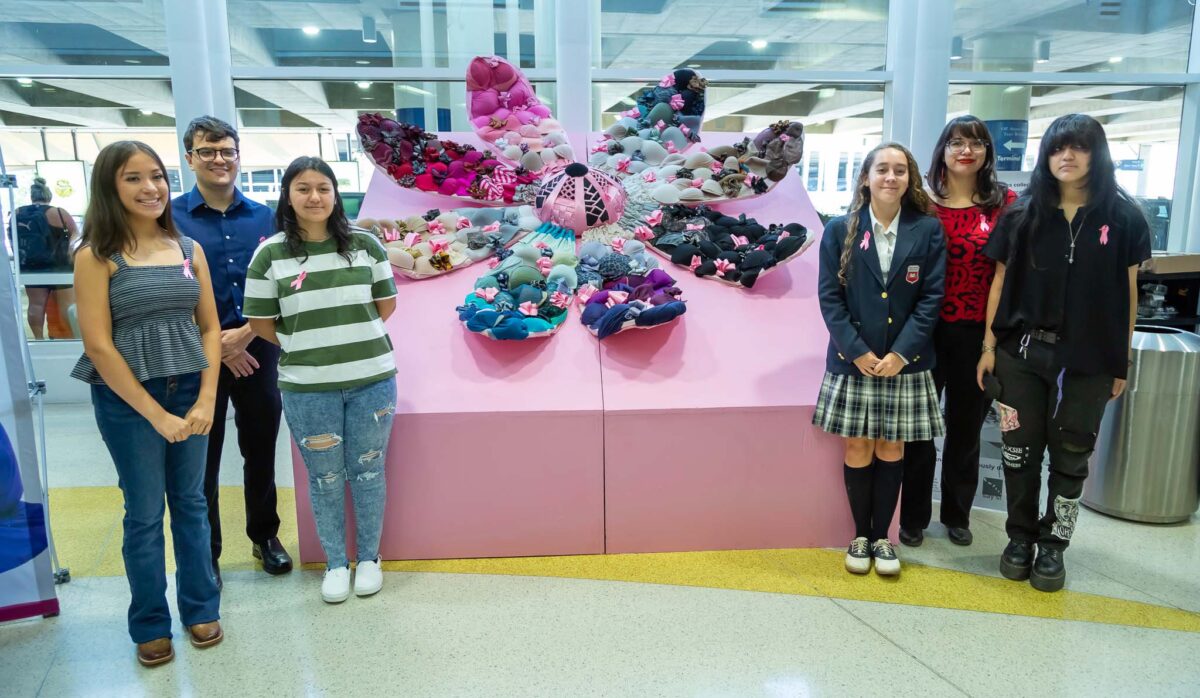
San Antonio, Texas (September 27, 2022) – Methodist Healthcare Ministries of South Texas, Inc., in partnership with San Antonio International Airport, and SAY Sí, unveiled a new art installation commemorating at the San Antonio International Airport on Tuesday, September 27. The art installation was commissioned by Methodist Healthcare Ministries and created by students of SAY Sí using more than 250 donated bras and ties collected during its 2021 Breast Cancer Awareness Month. The items were donated by breast cancer survivors, as well as their loved ones, through collection bins located at the San Antonio International Airport, Methodist Healthcare Ministries’ San Antonio locations, and ThriveWell Cancer Foundation.

Methodist Healthcare Ministries commissioned the art piece using donated bras and ties to foster a dialogue in the community about the importance of cancer prevention screenings and the need for support services, such as transportation and housing, for uninsured/low-income patients who struggle to access care once diagnosed with cancer.  According to the American Cancer Society (ACS), breast cancer is the most common type of cancer in women in the United States behind skin cancer. As a result of the COVID-19 pandemic, the totals number of cancer screening tests received by women through the Center for Disease Control’s National Breast and Cervical Cancer Early Detection Program (Early Detection Program) declined by 87% for breast cancer and 84% for cervical cancer during April 2020 as compared with the previous 5-year averages for that month.

“We wanted to create something memorable to drive home the importance of screening and the impact breast cancer has on more than just the patient, but also caregivers, families, neighbors, health care providers and, really, it impacts our entire community,” says Jaime Wesolowski, President & CEO of Methodist Healthcare Ministries. “With cancer, there is always a ripple effect, and it is so important that we encourage the people we love to get screened early. We are incredibly proud of the students at SAY Sí for lending their creativity and time to this effort, and to the San Antonio International Airport for allowing this work to be displayed – their efforts can save lives in our community and across the world, as it will be seen by visitors from around the world.”

The art installation will be placed in an area near baggage claim in Terminal B at the San Antonio International Airport. It will remain there throughout October 2022.

# # #

About Methodist Healthcare Ministries of South Texas, Inc.: Methodist Healthcare Ministries of South Texas, Inc. is a private, faith-based not-for-profit organization dedicated to creating access to health care for the uninsured through direct services, community partnerships and strategic grant-making in 74 counties across South Texas. Guided by its mission of “Serving Humanity to Honor God,” Methodist Healthcare Ministries’ vision is to be the leader for improving wellness of the least served. The mission also includes Methodist Healthcare Ministries’ one-half ownership of the Methodist Healthcare System, the largest healthcare system in South Texas, which creates a unique avenue to ensure that it continues to be a benefit to the community by providing quality care to all and charitable care when needed. For more information, visit mhmbridgeofblessings.org.

An Economic Mobility Study Building Upon the Strengths of San Antonio

On August 31, Methodist Healthcare Ministries, along with key partners and members of the community gathered at The Neighborhood Place in the Westside of San Antonio to learn more about how economic mobility approaches and interventions can positively impact the city of San Antonio and other communities.

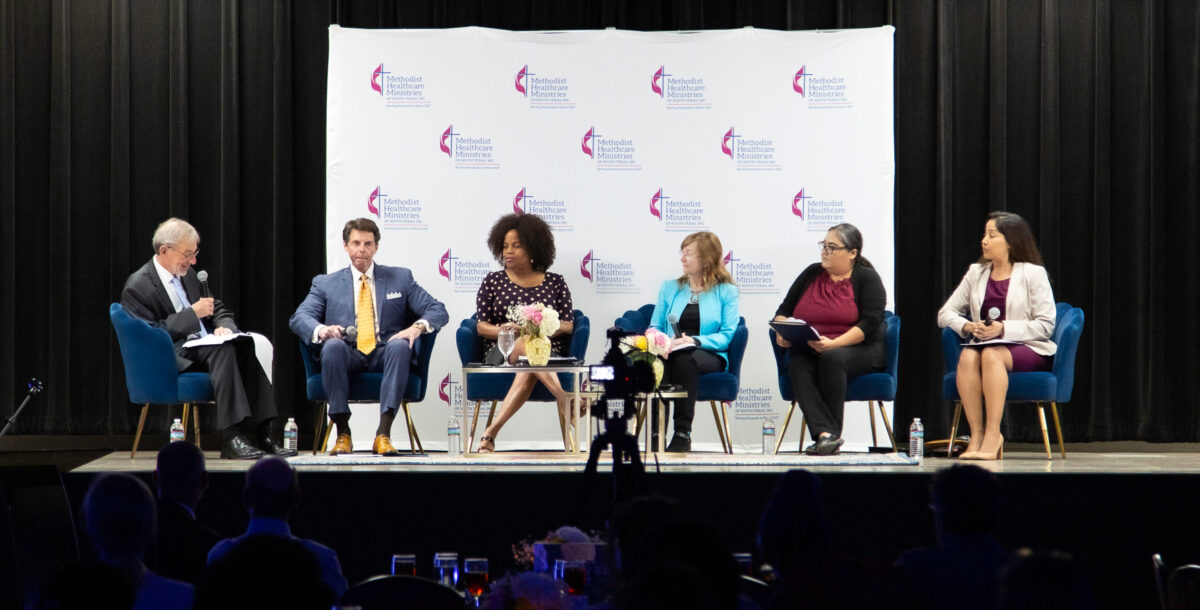
The more than 100 attendees at the event listened to a keynote presentation by Charles J. Homer, M.D., M.P.H who has served as a clinician and researcher on national healthcare, education, and economic mobility focused initiatives. His presentation gave an in-depth look into why it is important to address inter-generational poverty in our communities and strategies that promote economic mobility.  He also discussed how different interventions, such as cash assistance, and science-based coaching and recognition, can work together to  positively impact individual and community-wide health and life outcomes.  Click here to view his remarks.

After lunch, a panel discussion focused on how one local intervention—the San Antonio G.O.A.L.S.  Initiative—has the potential to transform and strengthen the financial independence and well-being of resilient individuals and families.  Click here to read more about the San Antonio G.O.A.L.S. Initiative.  The panel, moderated by Dr. Homer, included representatives from our key community partners on the G.O.A.L.S. Initiative, alongside our President & CEO, Jaime Wesolowski.

Community Conversation Panelists

  • Charles J. Homer, M.D., M.P.H (moderator)
  • Jaime Wesolowski, President & CEO, Methodist Healthcare Ministries
  • Kim Janey, President and CEO, EMPath 
  • Mary Garr, President and CEO, Family Service  
  • Andrea Figueroa, Executive Director, Empower House 
  • Erica Sosa, Ph.D., Associate Dean for Research and Associate Professor, Public Health, UTSA HCAP

The San Antonio G.O.A.L.S. Initiative

Methodist Healthcare Ministries commissioned The University of Texas at San Antonio College of Health Community and Policy (HCAP) to serve as third-party evaluators of the economic mobility research study, looking at two different interventions: cash assistance and economic coaching, specifically EMPath’s Mobility Mentoring®.

The research focuses on understanding how Cash Assistance and a type of partnership called Mobility Mentoring® contribute to financial stability and economic mobility in Bexar County.  We want to understand the combined impact of these interventions on financial self-sufficiency, while learning about the factors or participant characteristics that affect the impacts of the interventions.  We want to learn about what works best for different people in Bexar County. Recruitment is currently underway . The application is open to individuals ages 18-60 who live in one of 13 priority zip codes with an income that is less than 150% of the federal poverty line. Families living in these zip codes have some of the highest levels of poverty in Bexar County. One person per household may apply, and 575 people will be selected to participate.

After two years, we hope that the findings we learn can help inform our future strategies and investments around economic mobility, as well as serve as a model for other communities and organizations to follow. Ultimately, we want to see what impact these interventions can have on health and well-being of these community members and imagine what this could mean for all of South Texas.  

During the Q&A portion of our community conversation, several attendees asked how the G.O.A.L.S. Initiative would take into consideration the difficulty our communities experience with participation in research. Attendees shared that fear of discrimination, language difficulties and lack of access to healthcare were some of the reasons community members do not participate in research studies.  The G.O.A.L.S. Initiative is internally guided  by Dr. Inez Cruz, who leads Methodist Healthcare Ministries’ research efforts. Dr. Cruz acknowledged that “historically a tension exists between diverse communities, especially  communities of color, and research recruitment.”   She noted that two prominent deterrents to participation in research studies are lack of trust and appropriate incentives.  However, over the years Latino researchers, and researchers in general, have striven to address these concerns.

Dr. Cruz added, “As a researcher, I need diverse communities, to participate in research if we want our findings to be reflective of the community we serve.”  For San Antonio, this means not only Latino/a/x, immigrant, and Black community members but also other individuals and communities historically underrepresented in research, including indigenous communities and people with disabilities. The G.O.A.L.S. Initiative began with community surveys and focus groups to ensure that our research directly incorporated community feedback.  Methodist Healthcare Ministries has partnered with trusted community-based nonprofits (Family Service and Empower House).  The study will be accessible to participants in English and Spanish and we will also work to accommodate other languages and individuals with disabilities in an effort to reduce barriers to participate.  And finally, the G.O.A.L.S.  Initiative  recognizes the value of our community’s time and expertise.  At a minimum each participant can receive $250 in gift cards over the two years for completing surveys with the potential for either economic coaching, cash assistance or a combination of both.

Why is Methodist Healthcare Ministries supporting this effort?

Two years ago, Methodist Healthcare Ministries commemorated 25 years of service to communities across South Texas.  As we crossed the quarter-century mark, we asked ourselves: “Were the health and well-being of communities across South Texas improving?”

The answer for many of our patients and clients was—yes! However, when we looked at overall population health metrics across communities in our service area, we saw that many community-wide metrics were not improving.  We knew we had to set a course for the next 25 years to make broader, community-wide impact. So, we committed ourselves to a new strategic vision and plan rooted in health equity.

Methodist Healthcare Ministries’ Commitment to Health Equity:
Methodist Healthcare Ministries of South Texas, Inc. believes that to improve the wellness of the least served and fully live out its mission of “Serving Humanity to Honor God,” it must recognize the inequities inherent in its communities that contribute to poor health outcomes. Health Equity is both the process and goal by which Methodist Healthcare Ministries seeks to carry out that purpose. Health Equity is a framework of thought and action that strives to reduce racial and socio-economic disparities and create fair and just opportunities for every person to reach their full potential for health and life and contribute to that of others.

As part of our new strategic plan and focus on health equity, we committed to impacting systemic change in the communities we serve, and economic mobility is one of our focus areas.

Our work to advance health equity includes addressing systemic and root causes of inequity to disrupt the cycle of inter-generational poverty.   As we examined those roots, poverty, especially generational poverty, stood out as being one of the strongest risk factors for poor health.  Particularly, the link between financial well-being—and physical and mental health.

Financial independence directly contributes to our quality of life—it impacts where we can live, what types of foods and services we can access, the quality of our education and access to healthcare.  Generational poverty is when poverty persists in a family for at least two generations and is affected by employment, economic, education, and other community-wide systems that have historically excluded and marginalized entire communities through racism, sexism, and other injustices. To disrupt cycles of generational poverty and improve the social and economic factors that impact community health outcomes, solutions must acknowledge the inherent dignity of each person and the circumstances that exist across communities. Solutions should build upon existing assets of individuals and communities and allow individuals and families to best meet their financial needs and life goals.

There are several steps Methodist Healthcare Ministries is committed to taking in order to address generational poverty and promote prosperity. We are going to identify, invest in, and support approaches that address root causes of poverty and financial outcomes for individuals and families living in poverty. We will focus on strengthening financial inclusion, knowledge, behaviors and opportunities through financial information, education and coaching opportunities, along with capital and asset building to develop financial capability and security.

Our hope is that in two years, when the results of this economic study emerge, we will have a clear understanding of the approaches and strategies that can help strengthen families and foster thriving communities across our service area. We hope the findings will be a model for other organizations and communities to follow to promote generational prosperity across the country.

It’s a lofty goal, for sure, but doing so will be just one more example of our efforts to bring the words of John Wesley to life. We’ll be doing all the good we can, by all the means we can, in all the ways we can, in all the places we can, at all the times we can, to all the people we can, as long as ever we can.

——————————————————————————————————————————————————

Resources

MHM Announces $120,000 Grant to Justice for All Immigrants in Corpus Christi

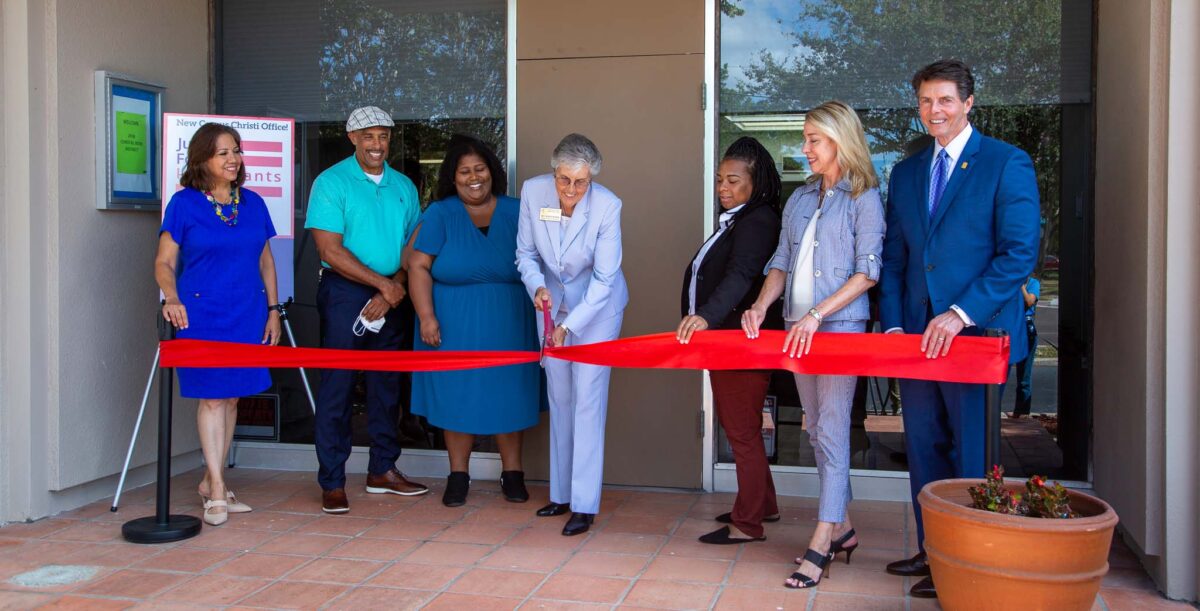
Corpus Christi, Texas (August 2, 2022) – Methodist Healthcare Ministries of South Texas, Inc.  awarded Justice for All Immigrants (JFAI) a $120,000 grant to provide immigration legal services to individuals and families living South Texas communities. This is the first time Methodist Healthcare Ministries has provided JFAI with funding. The current agreement runs through April 2023.

Through these funds, JFAI opened and operates a field office in Corpus Christi, located inside the Rio Texas Conference – United Methodist Church’s Coastal Bend District Office at 3510 Gollihar Road Corpus Christi, TX 78415. Here, Diona Johnson, an immigration attorney, began providing immigration legal services to individuals and families in July 2022.

JFAI is using the funds to 1) educate the community about the immigration process and laws and their roles in that system, 2) hold legal clinics open to the community, 3) provide training to Methodist Healthcare Ministries’ staff members and their partners, 4) provide individualized legal assistance in the referrals from Methodist Healthcare Ministries’ staff, and 5) provide direct legal representation for all JFAI clients.

“At Methodist Healthcare Ministries, we believe that health care is more than just caring for your medical needs, but also addressing the inequalities present in communities that prevent all of our neighbors from thriving,” said Jaime Wesolowski, President & CEO of Methodist Healthcare Ministries. “By ensuring our immigrant neighbors have the legal information and access to quality legal services, we are helping them advance and thrive in the communities we serve.”

In 2021, JFAI was presented with the opportunity to expand its immigration services to the South Texas region due to the permanent closure of another immigration services provider, San Antonio Region Justice for Our Neighbors (SARJFON). Its closure created a service void in the rural counties in South Texas. Given the population of immigrants in the region, the need for JFAI to expand its services became apparent in order to ensure that immigration legal services are available and being rendered to deserving individuals.

“We are so excited to expand into Corpus Christi and provide immigration legal services for the community in partnership with Methodist Healthcare Ministries,” said Joy Green, Legal Director at Justice for All Immigrants. “Our staff attorney in Corpus Christi, Diona Johnson, started working in July, and has been a tremendous asset to our team. She is eager to serve those in greatest need.  We look forward to this continued partnership.”

By working towards a more equitable society for immigrants, JFAI creates the pathway out of poverty to self-sufficiency. For more information, visit justiceforallimmigrants.org or call (361) 356-7553.

# # #

About Methodist Healthcare Ministries of South Texas, Inc.: Methodist Healthcare Ministries of South Texas, Inc. is a private, faith-based not-for-profit organization dedicated to creating access to health care for the uninsured through direct services, community partnerships and strategic grant-making in 74 counties across South Texas. Guided by its mission of “Serving Humanity to Honor God,” Methodist Healthcare Ministries’ vision is to be the leader for improving wellness of the least served. The mission also includes Methodist Healthcare Ministries’ one-half ownership of the Methodist Healthcare System, the largest healthcare system in South Texas, which creates a unique avenue to ensure that it continues to be a benefit to the community by providing quality care to all and charitable care when needed. For more information, visit mhmbridgeofblessings.org.

About Justice For All Immigrants:  Justice For All Immigrants began in 2014 as Houston/East Texas Justice For Our Neighbors, and became Justice for our Neighbors Houston in 2016. In June 2021, it changed its name to Justice For All Immigrants to better represent the work they perform across Texas.  JFAI’s mission is to provide low-income individuals and families with affordable, high-quality immigration legal services and engage in immigration education and advocacy. It continues to be part of the national Justice For Our Neighbors network and a United Methodist Ministry.

MHM Announces $120,000 Grant to Justice for All Immigrants in San Antonio

San Antonio (July 18, 2022)Methodist Healthcare Ministries of South Texas, Inc. is pleased to announce its partnership with  Justice for All Immigrants (JFAI) to provide immigration legal services for individuals and families living in South Texas communities.  The one-year grant provides $120,000 to support the hiring of legal staff for JFAI’s San Antonio field office, located at 1400 Guadalupe Street.

The goal of this effort is to expand access to legal immigration services available to South Texas communities.  JFAI will use the funds to educate local residents and community-based organizations about the immigration process and laws and their roles in that system.  Legal staff will  hold legal clinics and community consultations, meeting with clients both in person and by phone.  JFAI will also provide training to Methodist Healthcare Ministries staff members and other organizations upon request.

“At Methodist Healthcare Ministries, we believe that health care is more than just caring for your medical needs, but also addressing the inequalities present in communities that prevent all of our neighbors from thriving,” said Jaime Wesolowski, President & CEO of Methodist Healthcare Ministries. “By ensuring our immigrant neighbors have access to quality legal information and legal services, we are helping them advance and thrive in the communities we serve.”

“We are so excited to expand into San Antonio and provide immigration legal services for the community in partnership with Methodist Healthcare Ministries,” said Joy Green, Legal Director at Justice for All Immigrants. “Our staff attorney in San Antonio, Daniella Salas-Chacon, started working in May, and has been a tremendous asset to our team. She is eager to serve those in greatest need.  We look forward to this continued partnership.”

By working towards a more equitable society for immigrants, JFAI creates the pathway out of poverty to self-sufficiency. For more information, visit justiceforallimmigrants.org or call (210) 610-9768.

###

About Methodist Healthcare Ministries of South Texas, Inc. : Methodist Healthcare Ministries of South Texas, Inc. is a private, faith-based not-for-profit organization dedicated to creating access to health care for the uninsured through direct services, community partnerships and strategic grant-making in 74 counties across South Texas. Guided by its mission of “Serving Humanity to Honor God,” Methodist Healthcare Ministries’ vision is to be the leader for improving wellness of the least served. The mission also includes Methodist Healthcare Ministries’ one-half ownership of the Methodist Healthcare System, the largest healthcare system in South Texas, which creates a unique avenue to ensure that it continues to be a benefit to the community by providing quality care to all and charitable care when needed. For more information, visit mhmbridgeofblessings.org.

About Justice For All Immigrants: Justice For All Immigrants began in 2014 as Houston/East Texas Justice For Our Neighbors, and became Justice for our Neighbors Houston in 2016. In June 2021, it changed its name to Justice For All Immigrants to better represent the work they perform across Texas.  JFAI’s mission is to provide low-income individuals and families with affordable, high-quality immigration legal services and engage in immigration education and advocacy. It continues to be part of the national Justice For Our Neighbors network and a United Methodist Ministry.

MHM Commissions Unprecedented Study on Economic Mobility Strategies for San Antonio Communities

San Antonio, Texas (July 13, 2022) – Methodist Healthcare Ministries of South Texas, Inc. announced the commissioning of a groundbreaking study conducted by the University of Texas at San Antonio College of Health, Community and Policy to research two economic mobility interventions previously only evaluated as separate strategies: cash assistance and Economic Mobility Pathway’s (EMPath) Mobility Mentoring®, an economic mobility coaching approach. The two-year study will involve two local nonprofit organizations, Family Service and Empower House. This is the first randomized control trial in the country that will look at how the two interventions, cash assistance and Mobility Mentoring, can work together to support individuals and families on their journey out of poverty.

“As part of Methodist Healthcare Ministries’ new strategic plan and focus on health equity, we are committed to bringing about systemic change in the communities we serve and economic mobility is one of our focus areas,” said Jaime Wesolowski, President & CEO of Methodist Healthcare Ministries of South Texas, Inc. “The results of this study will inform the strategies and funding decisions we make around economic mobility as we seek to advance health equity strategies that allow all to thrive.” 

This two-year study will be called the San Antonio GOALS Initiative – GOALS stands for Generating Opportunities for Achieving Lasting Success.

Empower House will host the cash assistance program that is a part of the study. The cash assistance program will provide monthly cash payments of $500 to participants via pre-paid debit cards. Participants will be able to use these funds in the ways that make the most sense to them for their own lives. Empower House SA will also meet with participants to assess the potential impact of cash assistance on their eligibility for other programs.

“At Empower House, our work centers the needs and priorities of Black Indigenous People of Color (BIPOC) community members and their families as we walk alongside them in support,” said Andrea Figueroa, Executive Director of Empower House. “We are honored to be a part of this economic mobility research project and look forward to successfully serving participants and making a lasting impact in their lives and in our greater community.  

Family Service will both recruit 575 households to take part in the study and deliver the Mobility Mentoring® program to the cohorts receiving the economic coaching intervention.

The Economic Mobility Study will utilize a Mobility Mentoring informed approach. Mobility Mentoring, developed by Economic Mobility Pathways (EMPath) in Boston, MA, is a research-backed coaching method for helping people in poverty climb the economic ladder. This robust model allows participants to set their own goals across five key areas of their lives including: health, family life, career, finances, and education. Participants partner with a mentor, who provides guidance and coaching along the way. The Mobility Mentoring informed coaching program will be hosted by Family Service. The EMPath team will provide consultation and guidance to Family Service throughout the study.

“Family Service is excited to be a partner with MHM along with EMPath, UTSA, and Empower House to assess ways to work with individuals and families in San Antonio who have barriers in their lives caused by social determinants of health factors that affect household income, education, employment, etc. and can cause adverse impacts on their health, family, and community,” said Mary Garr, President & CEO of Family Service.  “As a deep-rooted organization within San Antonio for almost 120 years, we see firsthand the impacts of intergenerational poverty and the challenges in trying to break the cycle. This model offers a broad approach to understanding the multifaceted challenges that exist for many individuals and families and help them find ways to overcome them sustainably.”

“EMPath is thrilled to partner with Methodist Health Ministries in this first-of-its-kind study that is truly dedicated to learning how to best support families living in poverty as they navigate their journey towards economic independence,” said Kim Janey, president & CEO of Economic Mobility Pathways (EMPath). “The study has the potential to not only inform how we work with families in the future, but also influence the human services field more broadly.”

A team from UTSA’s College of Health, Community & Policy will be serving as independent third-party evaluators for the study. The research study is being conducted as a randomized control trial over 24 months. This means that participants will be randomly assigned to one of four groups for two years. The four groups are: 1) people selected to participate in a monthly cash assistance program; 2) people selected to participate in Mobility Mentoring, 3) people selected to participate in both Mobility Mentoring and a monthly cash assistance program; 4) people participating in a control group. The research team will administer these surveys to all participants 5 times over the course of the study and will also conduct individualized interviews with participants.

Lynne Cossman, Ph.D., Dean of UTSA’s College for Health, Community and Policy added, “HCAP is proud to be involved in this groundbreaking randomized control trial assessing the viability of cash assistance and mentoring. It is beyond atypical for social scientists to be able to work within an RCT framework. Providing the independent third-party evaluation of this program dovetails perfectly with our mission to improve the health and well-being of San Antonians, South Texans and beyond.”

The economic mobility study is open to residents of Bexar County who are between the ages of 18 – 60, have a household income less than or equal to 150% of the federal poverty level (FPL) and live in one of following targeted Bexar County zip codes:

78201, 78228, 78237, 78207, 78204, 78225, 78214, 78221, 78224, 78226, 78211, 78222, or 78217.

Family Service is currently conducting recruitment and outreach for the San Antonio GOALS Program. Interested individuals may contact Family Service at (210) 431-7550 or visit www.family-service.org/goals.

“We at MHM believe that caring for health means caring for the needs of the whole person—body, mind, and spirit, and, we know that financial stability is a critical determinant in one’s ability to enjoy whole health—from one’s ability to afford health insurance, access preventive care, purchase medications or receive treatment for chronic disease,” said Lavonne Garrison, Chair of the Board of Directors for Methodist Healthcare Ministries of South Texas, Inc. “This project is a great example of how we are broadening the definition of health care to include championing healthier 

neighborhoods, supportive relationships, broadband access, food security, and financial stability ​to strengthen families and communities.​”

# # #

About Methodist Healthcare Ministries of South Texas, Inc.: Methodist Healthcare Ministries of South Texas, Inc. is a private, faith-based not-for-profit organization dedicated to creating access to health care for the uninsured through direct services, community partnerships and strategic grant-making in 74 counties across South Texas. Guided by its mission of “Serving Humanity to Honor God,” Methodist Healthcare Ministries’ vision is to be the leader for improving wellness of the least served. The mission also includes Methodist Healthcare Ministries’ one-half ownership of the Methodist Healthcare System, the largest healthcare system in South Texas, which creates a unique avenue to ensure that it continues to be a benefit to the community by providing quality care to all and charitable care when needed. For more information, visit mhmbridgeofblessings.org.

About UTSA’s College for Health, Community and Policy: UTSA’s College for Health, Community and Policy (HCAP) is dedicated to developing solutions to effect change for complex social issues to improve the well-being of communities and the world. The college is comprised of eight academic departments and one program —criminology and criminal justice, demography, nutrition and dietetics, kinesiology, psychology, public administration, public health, social work and sociology —as well as the Institute for Demographic and Socioeconomic Research, the Policy Studies Center, the Institute for Health Disparities Research, and the Center for Community Based and Applied Health Research. HCaP includes more than 175 faculty and more than 6,800 students pursuing undergraduate and graduate degrees. Visit the College for Health, Community and Policy website to learn more.

About Empower House SA: Empower House SA (formerly The Martinez Street Women’s Center) has a 22-year history of providing transformative community health services, youth development programs, and advocacy opportunities that empower women and girls of color. We envision a world where all women and girls are empowered to transform themselves, their families, and their communities. Our values of solidarity, creativity, empathy, and collaboration guide our major programmatic decisions and daily interactions with community members and partners. We address historical and systematic inequities by advocating with and for San Antonio’s BIPOC, low-income residents, that have been systematically disadvantaged, though historically resilient. For more information, visit Empowerhousesa.org

About Family Service: “Empowering individuals and families to transform their lives and strengthen our communities” Family Service has been building strong families since 1903. As the oldest human service nonprofit in San Antonio, Family Service addresses the social determinants of health, those barriers and opportunities created by where people live, learn, work, play, and age. Helping individuals and families from birth to older adults, Family Service is dedicated to helping those in need in  San Antonio and over 14 rural counties of Texas. Visit www.family-service.org to learn more  about the organization and the 119 years of service to local and area families.  

About Economic Mobility Pathways (EMPath): EMPath is a nearly 200-year-old organization that dramatically improves the lives of people living in poverty. Because creating economic opportunity is multifaceted, EMPath’s approach is too. EMPath offers a unique combination of direct services; a learning network of human services organizations; and research and advocacy for what works. This “virtuous circle” allows each part of the organization’s work to inform what it knows, does, and shares with others to seed systemic change. To learn more, visit empathways.org.

Lessons Learned from Value-Based Grant Program

Since 1996, Methodist Healthcare Ministries has invested more than $412 million in grants within our 74-county service-area. We believe that everyone deserves a fair opportunity to make the choices that lead to good health. Traditionally, our Community Investments department has made it a priority to promote access to clinical care in underserved communities, but we also recognize that root causes of poor health outcomes must be addressed if we are to achieve health equity and intervene effectively to break the cycle of intergenerational poverty.

With a national movement towards value-based payment models by the Centers for Medicare and Medicaid Services and other payors, in 2016 Methodist Healthcare Ministries’ Community Investments department developed a new grant program aligned with value-based concepts. These concepts included emphasizing quality of care rather than quantity of care and incentivizing health improvement through a flexible funding model. 

This program, initially called Integrated Health Improvement, focused on improving specific health outcomes for a qualified panel of patients. A funding amount was allotted per patient on the panel, consisting of a base amount and incentive amounts. If the panel of patients reached the health outcome goal(s) by the end of the year, the funded partner received the incentive payment(s) for the goal(s) that was met. To the department’s knowledge, this program was one of the first, if not the first, value-based program from a regional nonprofit funder in South Texas, and it inspired another funder in our service area to support a similar program.

From 2017 to 2021, Methodist Healthcare Ministries’ value-based grant program served complex care patients in South Texas. During this time period, 15 of our Federally Qualified Health Center (FQHC) funded partners participated in this program. 

Since the first grant year in 2017, the value-based program went through many adjustments, which were informed by funded partner feedback and outcome performance. One of the most notable changes to the program was the addition of prevention components after hearing from grantees that preventive measures were key to improving the health of the patient populations they served. The program was aptly renamed “Integrated Health Improvement & Prevention”. 

Throughout the years, key program components remained similar—including patient eligibility, which specified that panel patients needed to be over 18 years of age, uninsured or underinsured, low-income, and patients must have at least two of the required comorbidities. Comorbidities included depression, pre-diabetes or diabetes, hypertension, and overweight or obesity. Health outcome goals also remained similar and reflected the specified comorbidities. 

As we reflect on the program, we think there were many successes. Flexible funding allowed our partners to use their grant dollars in ways best suited to achieve program success. Some partners used this program to try new things for their health centers, like case management, patient dashboards, and program contracts/agreements with patients. During the program, partners increased their quality of care, including improving documentation, establishing and improving workflows, and strengthening follow-up with patients. These changes also helped grantees better prepare for reports and reviews from other funders. Their efforts helped to establish a consistent source of health care for patients, and patients exhibited improvement in their health. As we spent additional time with partners at their centers and communicated with them through email and phone to provide technical assistance and for audits, our relationships with partners strengthened. 

There were also challenges with the program. Grantees, especially in rural areas, often have staff that wear multiple hats, making this complex program difficult to implement and manage. The program required ample staff time and training to develop and implement many processes, including finding or recruiting patients that met panel criteria, documenting their clinical data and financial information, and reporting back on patient level data four times a year. As partners built new processes, some encountered challenges with their electronic health record or billing systems. Once set-up and staff training were completed, another challenge that arose was patient attrition due to reasons such as patients moving, changing providers, or changing phone numbers. This made it difficult to fill the patient panel and keep patients engaged in care to help meet the challenging program metrics. 

To help our partners with their challenges, we provided one-on-one technical assistance, held workshops, and sought their continuous feedback and suggestions through surveys and multiple check-ins. We modified and simplified the program design where we could. Modifications included explaining program elements more thoroughly and adjusting the program metrics to be more  achievable. We simplified the reporting as the years went on, aiming to ask for only what was needed to determine panel eligibility, panel size, and metric attainment. We also connected partners with each other, to share ideas on electronic health record templates, program set-up, and eligibility documentation. If the challenges were too extensive for the partner—such as consistently not meeting their panel size or not meeting most goals—we transitioned them to another grant structure. 

Many lessons were learned throughout the program, and in 2021 the program came to an end at Methodist Healthcare Ministries, as our organization changed its strategy around grant-making to be focused on achieving health equity and breaking the cycle of intergenerational poverty by addressing root causes and the Social Determinants of Health.  

Our funded partner, Gateway Community Health Center, designed their value-based program, “Lado A Lado” or “Side by Side”, for their clinic locations in and around Laredo, Texas, and had great success with the value-based program. Gateway shared their experience with the program, and how it impacted their clinics and the lives of their patients in the video below.

Methodist Healthcare Ministries Awards $1.2 Million Grant to Doyle Community Center

San Antonio, TX (June 17, 2022)Methodist Healthcare Ministries of South Texas, Inc. is providing the Doyle Community Center in Kerrville, TX with a three-year, $1.2 million dollar grant to support the operational capacity of the nonprofit organization and continue neighborhood revitalization efforts that originated from their recent work with the BUILD Health Challenge grant. This investment will ensure the Doyle Community Center has the necessary leadership, skilled staff and strategic plan in place to create the much-needed structure, systems, programs, and processes to ensure organizational sustainability.

With the funding, the Doyle Community Center will be able to create its own vision, redefine its mission, and forge its own path following the conclusion of funding from the BUILD Health Challenge. Over the next three years, Doyle Community Center will hire staff, create a strategic plan, and fundraising plan that will allow the Doyle Community Center to become sustainable and provide strategic programs and services to the community.

“It has been inspiring to see the Doyle Community Center become revitalized and energized over the past few years as part of the Hope for Health Collaborative and we see incredible potential for continued growth,” said Jaime Wesolowski, President & CEO of Methodist Healthcare Ministries. “The BUILD Health Challenge gave the community the kickstart it needed to organize itself and bring together the necessary stakeholders so that they can take ownership and pride in their efforts. We are thankful for the opportunity to continue to support them and their efforts.”

The Doyle Community Center is part of the Hope for Health Collaborative that received funding from the Build Health Challenge in 2019. The Hope for Health Collaborative was formed by New Hope Counseling Center, Peterson Health, the Texas Department of State Health Services-Region 8, Barnett Chapel and Glory Community Garden, Light on the Hill at Mt. Wesley, the City of Kerrville and the Doyle Community Center in a joint application for the BUILD Health Challenge. These organizations, as well as many others, committed to work together to address the revitalization of the Doyle neighborhood of Kerrville, with a focus on social connection, navigation and resident participation to address their individual and community resources and healthcare needs.

Launched in 2015, the BUILD Health Challenge addresses the intersectional factors that impact health and well-being at the community level. BUILD recognizes that direct medical care, while critical, is only one piece of the puzzle when it comes to lifting up the standards of living for people in the U.S. and works across sectors with local community organizations to affect positive, sustainable improvements to community health.

“I’m very excited to be a part of the Doyle Community Center’s continued growth and success story as we identify and provide strategic and valuable services for the residents of the Doyle Historical District,” said B. K. Gamble, Executive Director of the Doyle Community Center. “The funding provided by Methodist Healthcare Ministries has made it possible to hire quality staff to support our vision, mission, and strategic programs. We very much appreciate the investment MHM has made in our efforts to enrich the lives of our constituents.” 

The Doyle Community Center received its 501(c) (3) nonprofit designation on September 29, 2003. The community center’s purpose is to provide education and social activities along with access to health, food, and social services to the residents of the Doyle community. Though Doyle has been incorporated for some time, it operated at a grassroots level providing various programs and serving as a gathering place for the community. The board of directors has served as a working board and has actively participated in day-to-day activities.

The $1.2 million investment is part of Methodist Healthcare Ministries’ $129.9 million community investment for 2022 to advance health equity and support communities across South Texas through direct services provided through clinical and regional operations, as well as the development of community partnerships and advocacy. 

Methodist Healthcare Ministries’ mission also includes its one-half ownership of the Methodist Healthcare System—the largest healthcare system in South Texas. This creates a unique avenue to ensure the Methodist Healthcare System continues to be a benefit to the community by providing quality care to all, and revenue to Methodist Healthcare Ministries for its programs and services.

###

About Methodist Healthcare Ministries of South Texas, Inc.

Methodist Healthcare Ministries of South Texas, Inc. is a private, faith-based not-for-profit organization dedicated to creating access to health care for the uninsured through direct services, community partnerships and strategic grant-making in 74 counties across South Texas. Guided by its mission of “Serving Humanity to Honor God,” Methodist Healthcare Ministries’ vision is to be the leader for improving wellness of the least served. The mission also includes Methodist Healthcare Ministries’ one-half ownership of the Methodist Healthcare System, the largest healthcare system in South Texas, which creates a unique avenue to ensure that it continues to be a benefit to the community by providing quality care to all and charitable care when needed. For more information, visit mhmbridgeofblessings.org.

Methodist Healthcare Ministries invests nearly $130 million to advance health equity across South Texas

San Antonio, TX (June 7, 2022)Methodist Healthcare Ministries of South Texas, Inc. is investing $129.9 million this year to advance health equity and support communities across South Texas through direct services, the development of community partnerships and advocacy. The funding for 2022 represents an increase of 14.2% from 2021. The nonprofit is deepening its work creating access to care for the uninsured in its 74-county service area.

The $129.9 million represents the organization’s strategic focus on advancing health equity, the framework of thought and action guiding its efforts to address systemic inequities and socio-economic barriers that keep people from living their healthiest lives.  The 2022 investment includes funding for direct patient-care services, strategic operations and advocacy work being done across 74 counties, as well as $30.6 million in community grants to over 90 funded partners to extend their mission to nurture resilient families across the state.

“For over 25 years, Methodist Healthcare Ministries has been blessed to have the resources we need to make this type of impactful investment in the communities we serve, as we endeavor to fulfill our mission of ‘Serving Humanity to Honor God’,” said Jaime Wesolowski, President & CEO of Methodist Healthcare Ministries. “With the support of an incredible team, an engaged board of directors and our commitment to advancing health equity, we believe this investment will help support resilient families and build thriving communities across our service area.”

As a private, faith-based, not-for-profit organization, Methodist Healthcare Ministries puts the earnings it receives as 50-50 co-owner of the Methodist Healthcare System to fund community-led efforts and promote public policy changes that advance a level playing field for healthy living—now and for generations to come.

Grants:

In 2022, Methodist Healthcare Ministries awarded $30.6 million in community investment funding to over 90 nonprofit agencies across its 74-county service area. Methodist Healthcare Ministries’ grants are rooted in partnerships that support access to care, integrated delivery systems and patient-centered models. In partnership with Federally Qualified Health Centers (FQHCs), safety-net clinics, counseling services and regional community projects, Methodist Healthcare Ministries’ goal is to create measurable impact at the community and regional levels to further establish health care networks.

Methodist Healthcare Ministries aims to help create and sustain healthy communities by supporting organizations that address the community conditions in which people are born, grow, live, and work, otherwise known as the Social Determinants of Health (SDoH).  Methodist Healthcare Ministries is interested in learning how organizations are addressing SDoH in general and places a special focus on several key intersecting issues: economic mobility, digital inclusion and broadband infrastructure, and food security. 

Grants address one of the following giving areas: Access to Health Care; Mental & Behavioral Health; Programs to adopt Social Determinants of Health (SDoH) screening tools; Food Security/Systems; Digital Inclusion; and Cross-sector Collaborations to Strengthen Health Equity.

An example of a long-time partner that Methodist Healthcare Ministries has supported is Family Service, which Methodist Healthcare Ministries has awarded $7.8 million since 2007. Family Service operates a number of programs that help address SDoHs, including a Rural Child Abuse Prevention Program, Early Childhood Wellbeing Program and a Financial Empowerment Program.

In 2022, Methodist Healthcare Ministries is providing more than $850,000 in funding for various programs.  The Por Las Familias Rurales (For the Rural Families) program will address suffering among a vulnerable population (children at risk of child abuse and neglect) and improve mental health outcomes by working with families in rural areas to build parenting and coping skills. The Early Childhood Wellbeing Program will provide mental health services to children that includes looking at the linkages to care for SDoH. And the Edgewood Connected Beyond Classroom Initiative, in which Family Service will be working with Methodist Healthcare Ministries, Texas A&M San Antonio, and Edgewood I.S.D. to co-create the Digital Inclusion Scholars Program (DISP) and institutionalize it as an Edgewood Independent School District student program – an initiative that will help close the digital divide, yet another SDoH. Most recently, Family Service received funding to provide support for the families impacted by the tragic school shooting in Uvalde last month.

“Family Service helps individuals and families overcome the multi-faceted challenges in their lives that affect their long-term health, quality of life, and life potential,” said Mary Garr, President & CEO of Family Service. “Too often, these challenges are deep-rooted, intergenerational, and tied to systemic barriers and lack of access to resources. We greatly appreciate our partnership with Methodist Healthcare Ministries as we are aligned in eliminating or reducing barriers caused by what are known as social determinants of health which, thus, improve the lives and health of individuals and families, and help to strengthen and create vibrant, healthy communities.”  

Overall, funding is allocated to over 110 grant programs to deepen collaborative efforts, incentivize quality health outcomes, leverage and strengthen health care delivery systems and promote sustainable systems change. Methodist Healthcare Ministries’ board of directors oversees the selection of funded partners and requests are considered on an annual basis.

Strategic Operating Initiatives Add-on:

In addition to the annual grants to partners, Methodist Healthcare Ministries has allocated nearly $14 million toward strategic initiatives that amplify our overall strategic goals and disrupt the cycle of intergenerational poverty. Methodist Healthcare Ministries is investing in approaches that address the root causes of poverty and health inequities, such as cross-sector partnerships, investing in community infrastructure, policy/legislative action eliminating barriers and/or addressing the long-term needs of individuals, families and communities. Examples of the types of initiatives Methodist Healthcare Ministries is investing in include: economic mobility, access to clean water, more community-led collaboration initiatives and broadband expansion efforts to close the digital divide.

Direct Services

Creating access to care through the provision of clinical services has always been key to the organization’s mission. Methodist Healthcare Ministries operates two San Antonio-based primary health care clinics: Wesley Health & Wellness Center and Dixon Health & Wellness Center, and two school-based health centers: George Ricks School Based Health Center at Krueger Elementary and George Ricks School Based Health Center at Schertz Elementary. The clinics address the needs of low-income families and the uninsured by providing services at no cost or on a sliding fee scale. The health care services Methodist Healthcare Ministries provides are a cornerstone of its charitable purpose of creating access to care.

Methodist Healthcare Ministries’ mission also includes its one-half ownership of the Methodist Healthcare System—the largest healthcare system in South Texas. This creates a unique avenue to ensure the Methodist Healthcare System continues to be a benefit to the community by providing quality care to all, and revenue to Methodist Healthcare Ministries for its programs and services.

Since inception, Methodist Healthcare Ministries has provided more than $1.4 billion in health care services through its clinical programs, as well as through partnerships, and is one of the largest private funding sources for community health care to low-income families and the uninsured in South Texas.

###

About Methodist Healthcare Ministries of South Texas, Inc.

Methodist Healthcare Ministries of South Texas, Inc. is a private, faith-based not-for-profit organization dedicated to creating access to health care for the uninsured through direct services, community partnerships and strategic grant-making in 74 counties across South Texas. Guided by its mission of “Serving Humanity to Honor God,” Methodist Healthcare Ministries’ vision is to be the leader for improving wellness of the least served. The mission also includes Methodist Healthcare Ministries’ one-half ownership of the Methodist Healthcare System, the largest healthcare system in South Texas, which creates a unique avenue to ensure that it continues to be a benefit to the community by providing quality care to all and charitable care when needed. For more information, visit mhmbridgeofblessings.org.

White close icon

Jaime Wesoloski

President & Chief Executive Officer

Jaime Wesolowski is the President and Chief Executive Officer at Methodist Healthcare Ministries. A healthcare executive with three decades of leadership experience, Jaime is responsible for the overall governance and direction of Methodist Healthcare Ministries. Jaime earned his Master’s Degree in Healthcare Administration from Xavier University, and his Bachelor’s of Science from Indiana University in Healthcare Administration. As a cancer survivor, Jaime is a staunch supporter of the American Cancer Society. He serves as Chair of the American Cancer Society’s South Texas Area board of directors and he was appointed as Chair to the recently created South Region Advisory Cabinet, covering eight states from Arizona through Alabama. Jaime believes his personal experience as a cancer survivor has given him more defined insight and compassion to the physical, emotional, and spiritual needs of patients and their families.